When Traveling Is Caring ❤️

The Great Wall and imperial Beijing, the Terracotta Army, karst peaks along the Li River, pandas in Sichuan and the monasteries of Tibet, on a private journey planned around you.
From imperial Beijing and the Terracotta Army to the karst rivers of Guilin, the old towns of Yunnan and the high plateau of Tibet, China rewards every kind of traveller. Every Orient Charm journey here is private and tailor-made, with your own guide and driver in each destination and high-speed trains or short flights in between.
Tell us your dates and interests, and a local specialist will design a private China itinerary around you.
Design My TripNo itineraries match these filters yet, but we can design one for you.
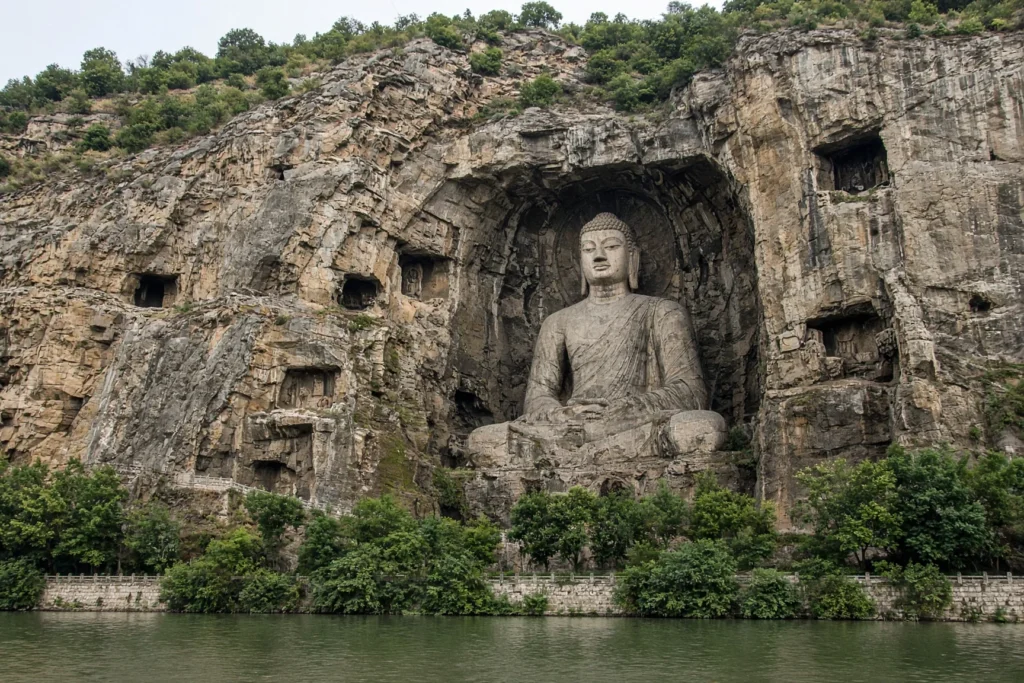
Imperial palaces and temples, hutong lanes and quieter sections of the Great Wall, with cliff-side grottoes and walled towns further west.
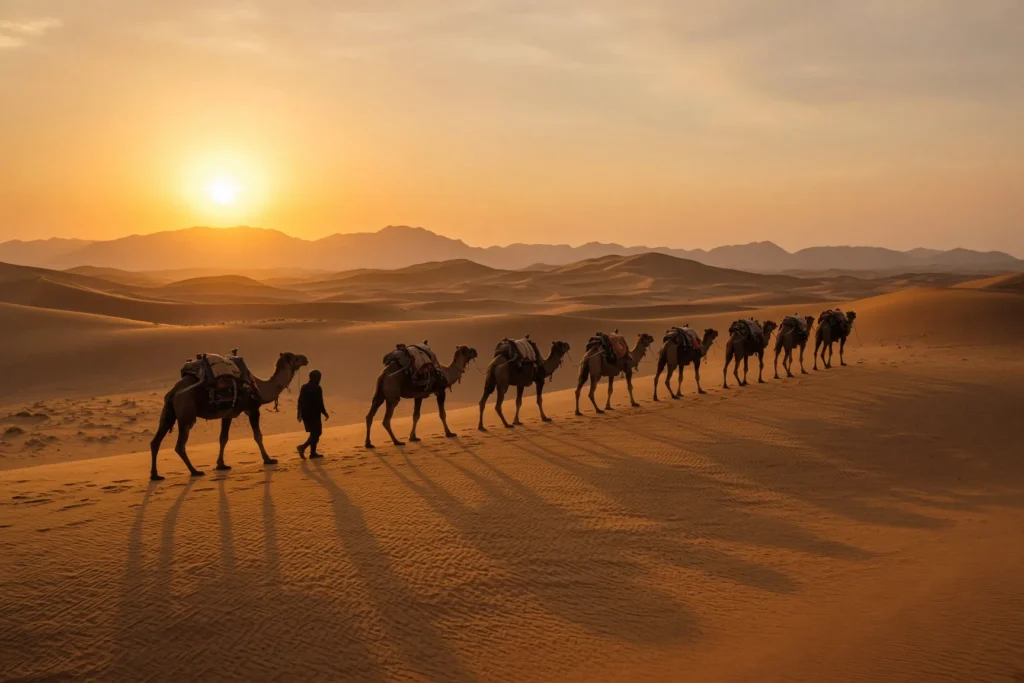
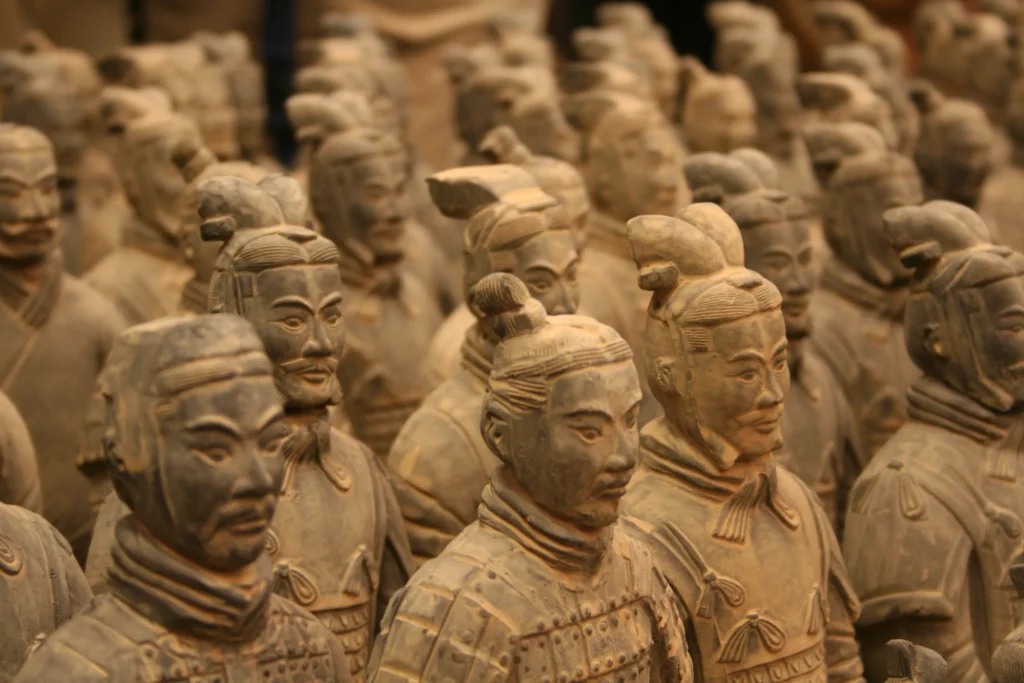
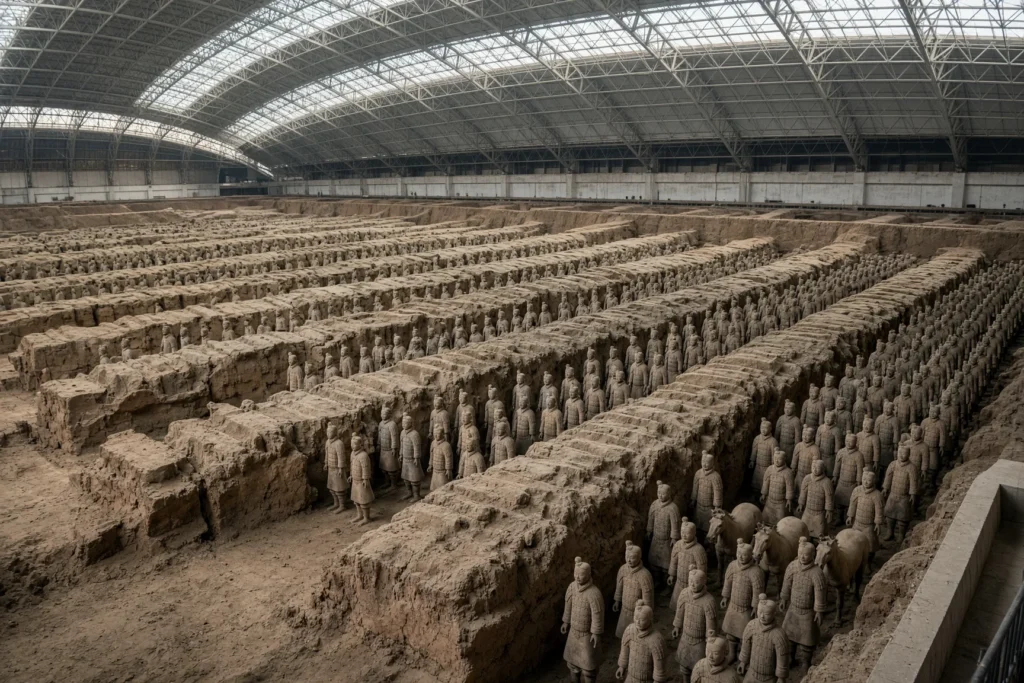
The Terracotta Army and the old city wall, then desert grottoes and oasis towns along the ancient trade routes to Central Asia.
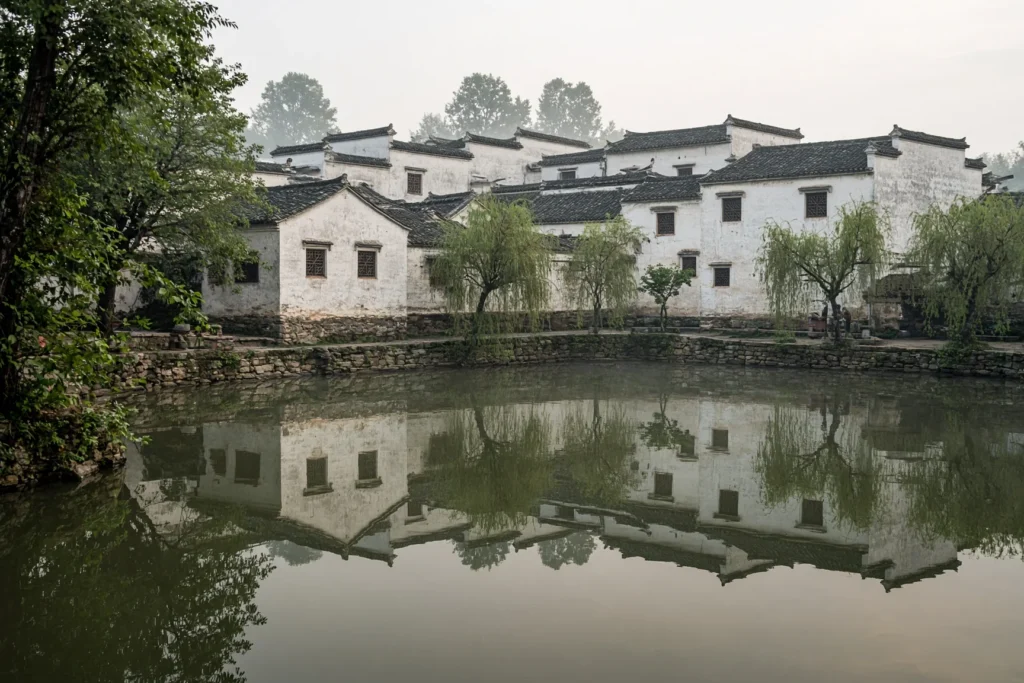
The Bund and the Pudong skyline, classical gardens, canal towns, West Lake and the granite peaks of the Yellow Mountain.
Karst peaks along the Li River, rice terraces, countryside cycling and the misty sandstone pillars of Zhangjiajie.
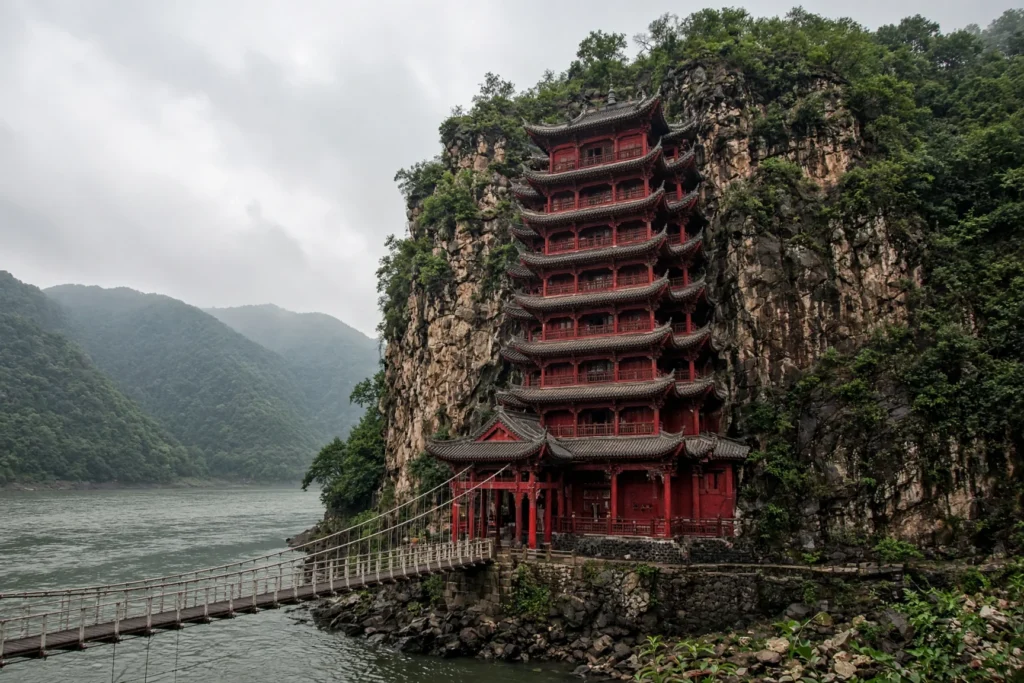
Giant pandas and teahouses, a river cruise through the Three Gorges, and old towns beneath the snow mountains of the south-west.
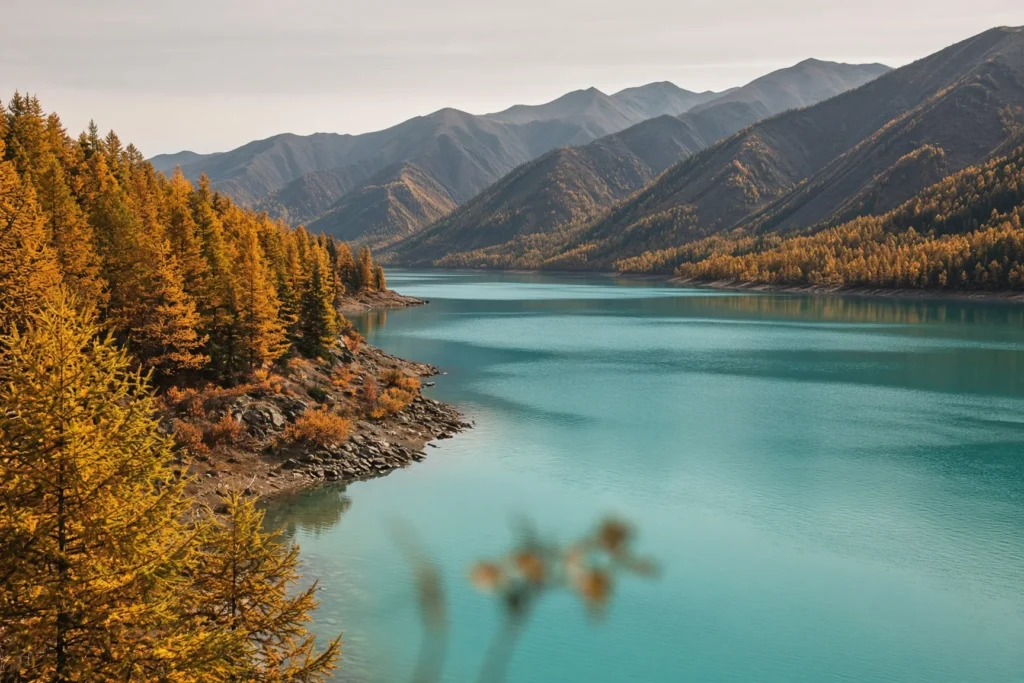
Monasteries, pilgrim circuits and turquoise lakes on the high plateau, with your Tibet Travel Permit arranged by our team.
Plan your private, tailor-made China trip for 2027 now and get $100 off. Tell us your travel dream and we will design it with you.
Customise My TripThis route links the imperial north, the Terracotta Army and the karst scenery of Guilin with a river cruise through the Three Gorges, before ending in Shanghai. Every stop can be swapped, stretched or skipped.





Spring (April to May) and autumn (September to October) bring the most comfortable weather across most of China. Summers are hot and humid in the east and south, with heavy rain in some areas, while winters are cold and dry in the north. Yunnan stays mild for much of the year, and Tibet and the Silk Road are at their best from late spring to early autumn. If you can, avoid the national holiday in the first week of October and the Chinese New Year period, when domestic travel is at its busiest.
A general guide. Weather varies from year to year, and we plan each route around the season.







Quick answers from our local team. Anything else, just ask your travel specialist.
Ask us on WhatsAppMany visitors can now enter China without a visa (as of October 2026):
Rules change often, so always check with the Chinese embassy before you travel.
Spring (April to May) and autumn (September to October) are ideal for most routes. Summer is hot in the east and south but a good time for Tibet and the Silk Road, and Yunnan is pleasant for much of the year. Try to avoid the national holiday in early October and the Chinese New Year period, when travel is at its busiest.
Twelve to sixteen days covers Beijing, Xi’an, Shanghai and one scenic region such as Guilin or Yunnan at a comfortable pace. With a week to ten days, we suggest focusing on Beijing, Xi’an and Shanghai. Our sample itineraries run from 4 to 24 days, and every one can be adjusted.
China’s high-speed rail network links most of the cities on our routes and is often as quick and more comfortable than flying. Longer hops, such as to Lhasa or the far west, are usually short domestic flights. Your private guide and driver meet you in each destination.
Yes. International travellers need a Tibet Travel Permit as well as a China visa or visa-free entry, and must travel with a licensed guide. We arrange the permit for you once your trip is confirmed. It takes a few weeks, so please plan Tibet journeys well in advance. Permits can occasionally be suspended at short notice, and we will let you know straight away if that happens.
Mobile payments such as Alipay and WeChat Pay are used almost everywhere, and both now accept many international cards. Set them up before you travel and carry some cash in yuan as a back-up. International cards are accepted in larger hotels.
Many Western apps and websites, including Google services and WhatsApp, are not accessible on Chinese networks. An international roaming plan usually keeps them working, and it helps to download offline maps and a translation app before you go. WeChat is widely used for messaging.
China is generally very safe for visitors, with low levels of street crime. Keep your passport with you, as you need it for hotels, trains and many sights, and take normal care with your belongings in crowded places.
Tipping is not a tradition in most of China, but it is appreciated by guides and drivers on private tours. Your travel specialist can share guidelines before you go.
Every trip is private and tailor-made around your dates, interests, pace and budget. Our specialists and local guides plan the details for you, we favour local partners and low-impact activities, and our team looks after you from your first message to your flight home.
Tell us what you have in mind and a local travel specialist will design a private itinerary around you. Free, with no obligation.
Three quick questions and we will match you with the right journeys.