Fifteen days across Tibet, from the monasteries and palaces of Lhasa to the north face of Everest and the three-day pilgrim walk around Mount Kailash. The pace is steady and the drives are long, rewarded by sacred lakes, high passes and the green Gyirong Valley before the return to Lhasa.
This journey starts gently in Lhasa so you can adjust to the altitude, then heads west along the Friendship Highway to Everest and on across the far west to Mount Kailash. Your own Tibetan guide and driver stay with you throughout, and on the kora your guide walks with you at your own pace. Every part of it can be adjusted: add a night, swap a visit or change the hotel class, and we will shape the plan around you.
Touch down on the roof of the world and let your body settle into the thin, bright air of Lhasa.
Your Tibetan guide meets you at Lhasa Gonggar Airport with a white khata scarf, the traditional Tibetan gesture of welcome. The private car follows the expressway along the Yarlung Tsangpo and Kyi Chu valleys into the city, a drive of a little over an hour past barley fields, prayer flags and bare brown mountains.
The rest of the day is at leisure in your hotel in Lhasa. This is the most important afternoon of the trip: rest, sip sweet tea or water, and keep any walking gentle. If you feel well later on, a slow stroll near the hotel lets you take in the light and the sound of spinning prayer wheels without overdoing it.
Good to know: Orient Charm arranges your Tibet Travel Permit and the other permits needed for the Everest and Mount Kailash regions, so please send clear passport and China visa copies well ahead of travel. Lhasa sits at high altitude, so allow time to adjust: take the first day slowly, drink plenty of water and avoid alcohol.
Accommodation: Hotel in Lhasa.
Two of the great Gelug monasteries of Lhasa, and the lively theatre of the monks’ afternoon debate.
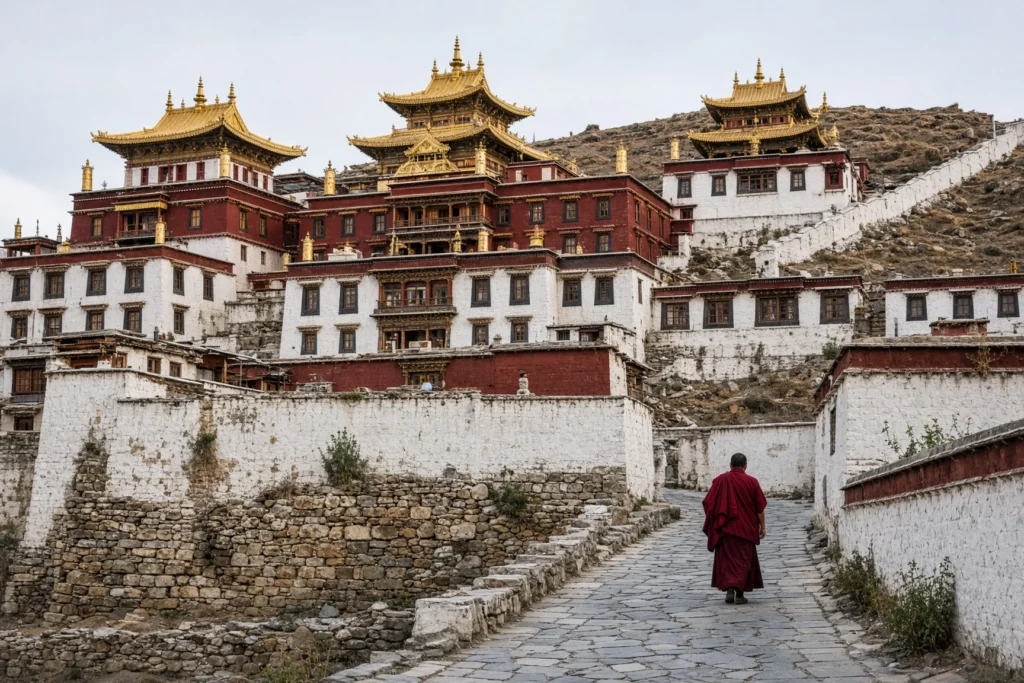
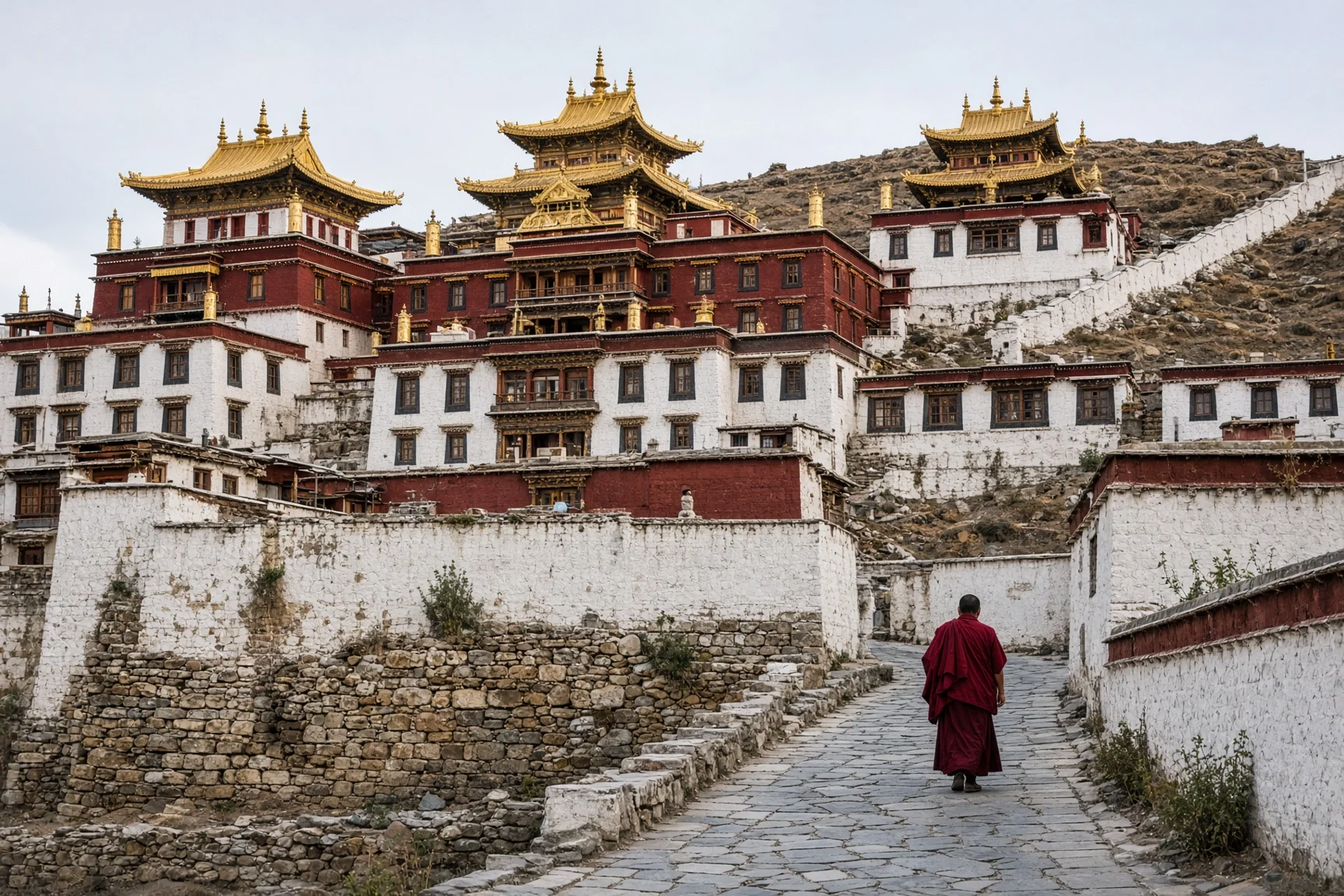
Drive to the foot of Gephel Mountain for Drepung Monastery, founded in the early 15th century and once among the largest monasteries in the world, home to thousands of monks. Its whitewashed buildings climb the slope like a small town. Walk through the assembly hall, butter lamp chapels and the Ganden Phodrang, the palace within Drepung that served as the residence of the early Dalai Lamas before the Potala was built.
Cross the city to Sera Monastery, another of Lhasa’s great Gelug monasteries. Most afternoons in the shaded courtyard, maroon-robed monks gather to debate points of Buddhist philosophy, clapping their hands and stamping their feet to drive home each argument. It is lively, loud and fascinating to watch, even without understanding a word.
Gather for a welcome dinner at a local restaurant, with your first taste of Tibetan dishes such as momo dumplings, thukpa noodle soup and butter tea.
Meals: Breakfast, Dinner. Accommodation: Hotel in Lhasa.
The two most sacred landmarks of Lhasa, followed by the pilgrim circuit of Barkhor Street and a sweet tea break.
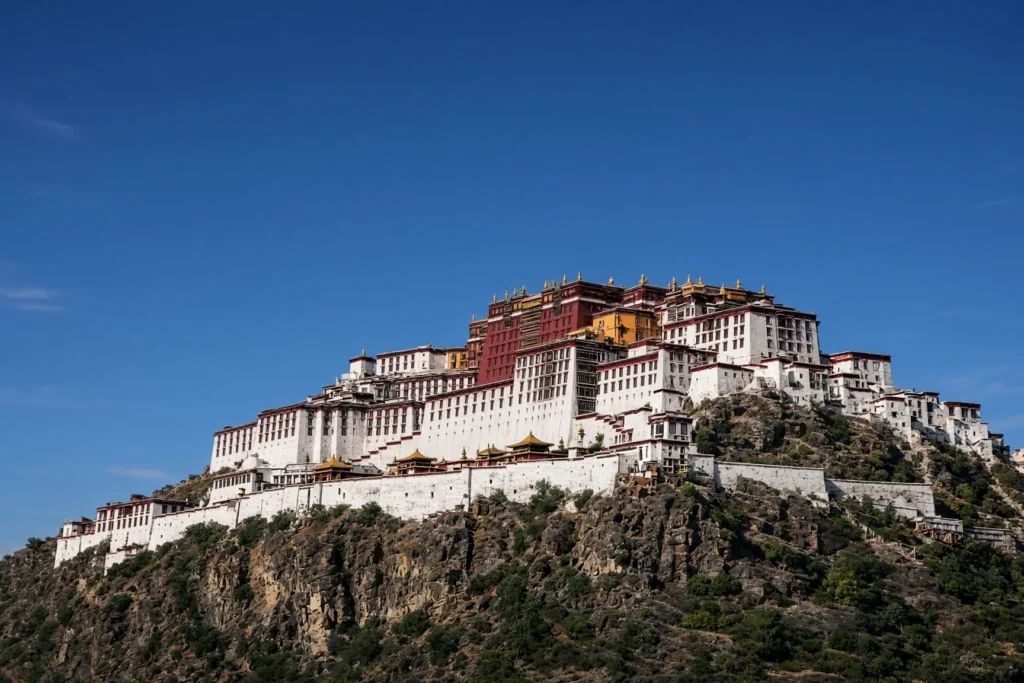
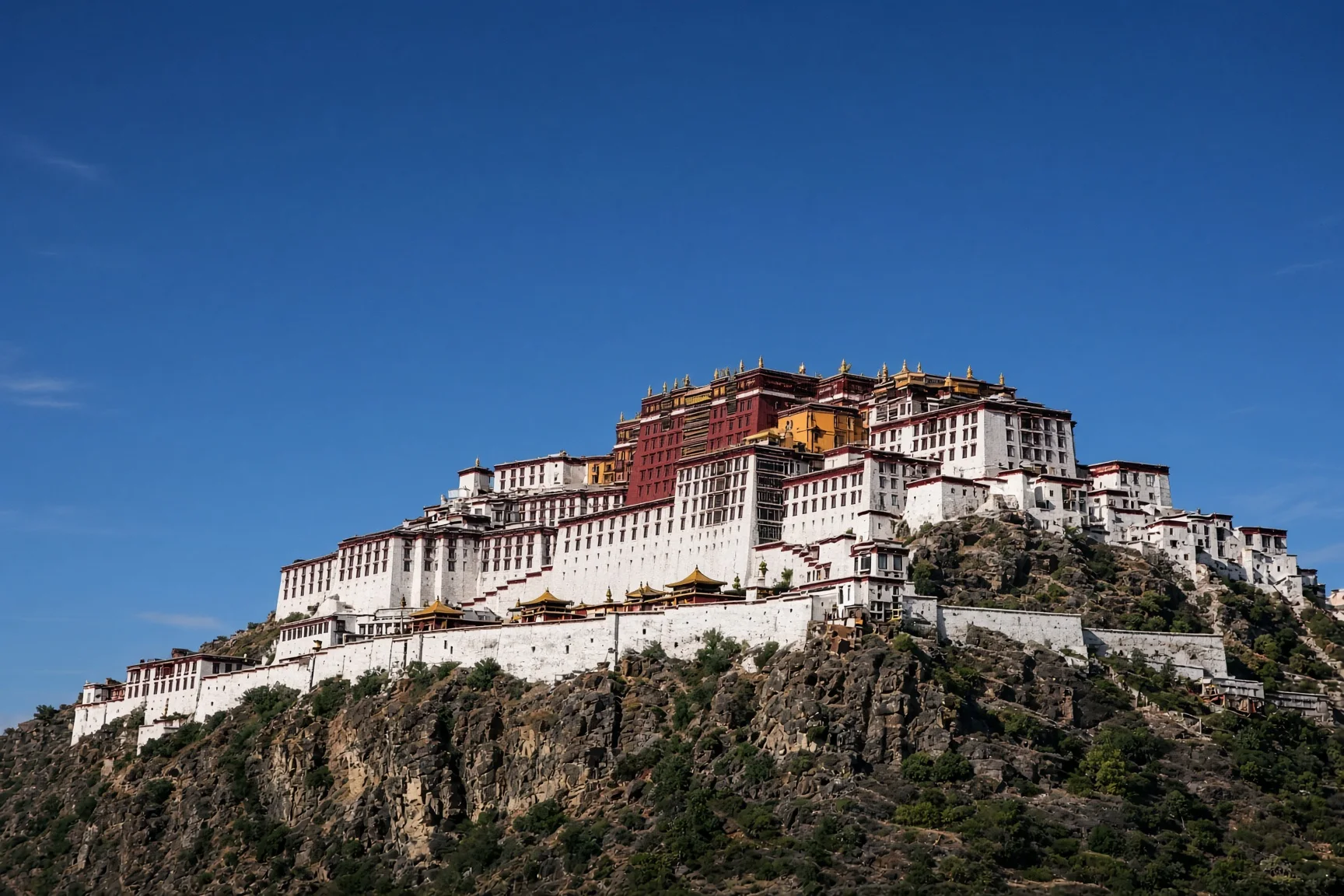
Climb the stone stairways of the Potala Palace, the vast red and white palace that rises above Lhasa and forms part of a UNESCO World Heritage Site. For centuries it was the winter residence of the Dalai Lamas. Inside, narrow corridors lead past gilded tombs, murals and chapels lit by butter lamps. Take the steps slowly; your guide sets an easy pace.
Visit the Jokhang Temple, the spiritual heart of Tibetan Buddhism, built in the 7th century and home to the revered Jowo Shakyamuni statue. Pilgrims prostrate themselves at the entrance and the air is thick with juniper smoke. Then join the clockwise flow of pilgrims around Barkhor Street, the circuit around the temple lined with stalls selling prayer beads, incense and turquoise.
Step into a Tibetan teahouse, where locals linger over pots of sweet milky tea and bowls of noodles. It is a relaxed place to watch everyday Lhasa life.
Meals: Breakfast. Accommodation: Hotel in Lhasa.
A long, beautiful drive over high passes to a turquoise sacred lake, a glacier and the old town of Gyantse.
Leave Lhasa by private car for the full day’s journey to Shigatse, roughly 340 kilometres and about eight hours with stops. The road climbs to the Kamba La pass and your first view of Yamdrok Lake, one of the three sacred lakes of Tibet, its water an intense turquoise against the hills. Stop at a lakeside village to see how farming families live here.
Continue to the Karola Glacier, where the ice tumbles down almost to the roadside, and pass Lake Manla, a reservoir set in a wide valley. Lunch is at a local restaurant along the way.
Pass through Gyantse, a historic town known for its hilltop fort and great stupa, before driving on through barley fields to Shigatse, Tibet’s second city. Settle into your hotel in Shigatse for the evening.
Meals: Breakfast, Lunch. Accommodation: Hotel in Shigatse.
From a great monastery to the north face of Mount Everest, with sunset on the highest peak on earth.
Visit Tashilhunpo Monastery, founded in the 15th century and the traditional seat of the Panchen Lamas. Golden roofs shine above a maze of lanes, and one hall holds a giant gilded statue of Maitreya, the Future Buddha.
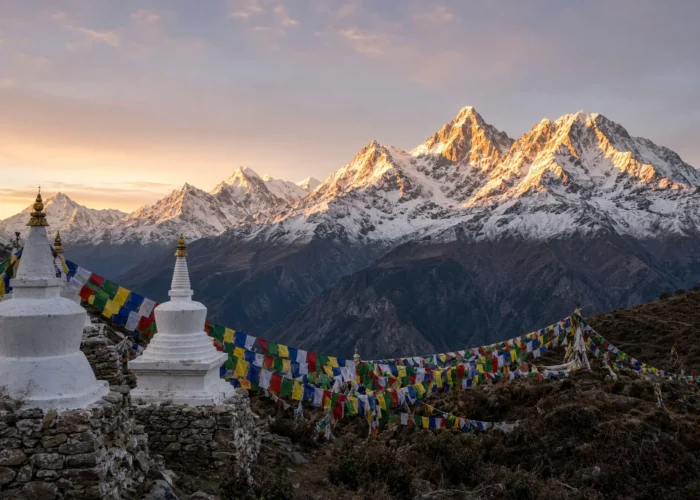
Set off by private car on the drive of about six and a half hours towards Everest. Stop at the Tingri viewpoint, where the Himalaya lines the southern horizon, then enter the Everest scenic area and climb the switchbacks to the Gawu La viewpoint. On a clear day you see a sweep of the world’s highest mountains, including Everest, Lhotse, Makalu and Cho Oyu.
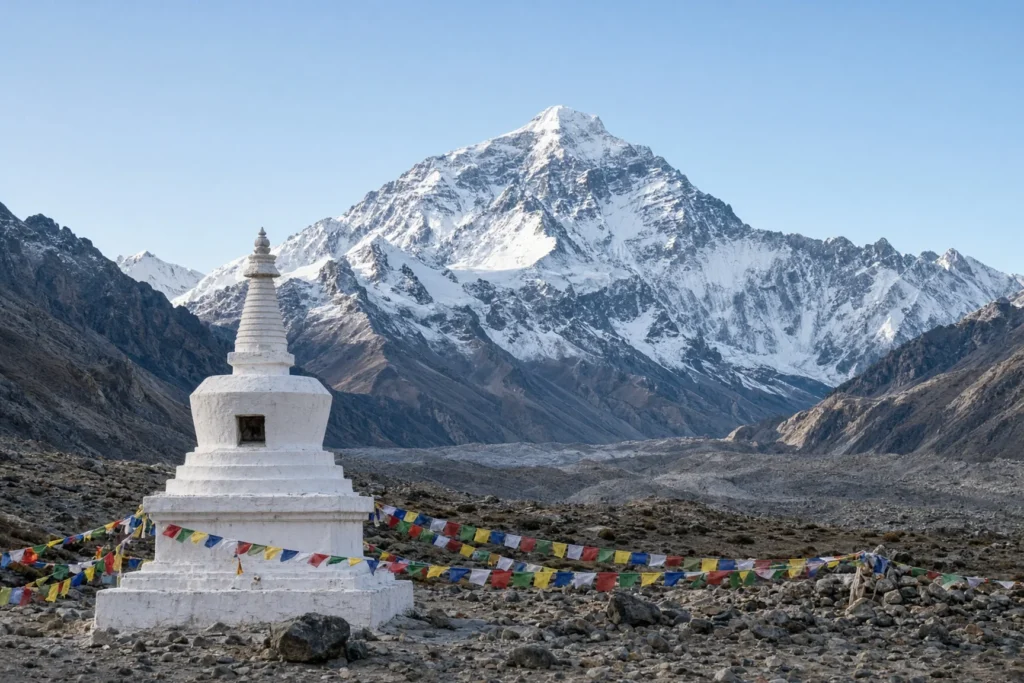
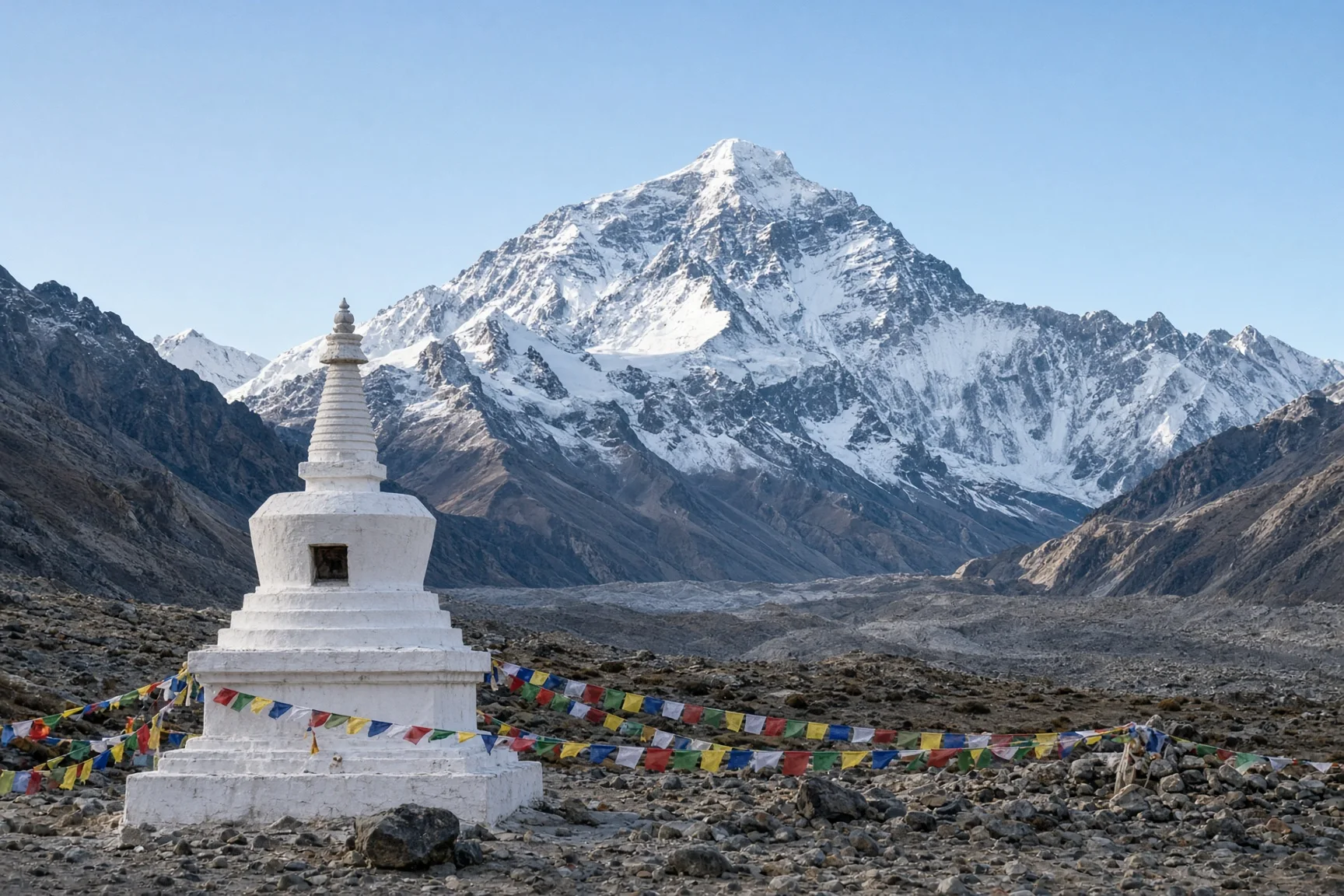
Arrive at Everest Base Camp on the Tibetan side and watch the late light turn the north face gold and then pink. Nights here are simple and cold, so wrap up well and keep exertion low.
Good to know: At Everest Base Camp accommodation is basic and the altitude is above 5,000 metres. Bring warm layers, and tell your guide at once if you feel unwell.
Meals: Breakfast. Accommodation: Hotel in Everest Base Camp (Mount Everest).
Sunrise on Everest, the highest monastery in the region, then west past Shishapangma and a wild lake.
If the sky is clear, step outside for sunrise on Everest, when the first light catches the summit long before it reaches the valley.
Visit Rongbuk Monastery, a small Nyingma monastery that sits at around 5,000 metres and is often described as one of the highest in the world, with Everest framed at the head of the valley. Then turn west by private car on the road to Saga.
The drive passes the massif of Shishapangma, the only one of the world’s 8,000-metre peaks that lies entirely within Tibet, and the wide, windswept shores of Peiku Tso. Wild asses and herds of yak often graze near the water. Arrive in Saga, a small town on the route west, and settle into your hotel.
Meals: Breakfast. Accommodation: Hotel in Saga (Mount Kailash).
Into the far west of Tibet, over the Mayum La to the sacred lake and the first sight of Mount Kailash.
Continue west by private car, with the Gangdise range to the north and the Himalaya to the south. Nomad tents and grazing flocks are often the only signs of life on these vast plateaus.
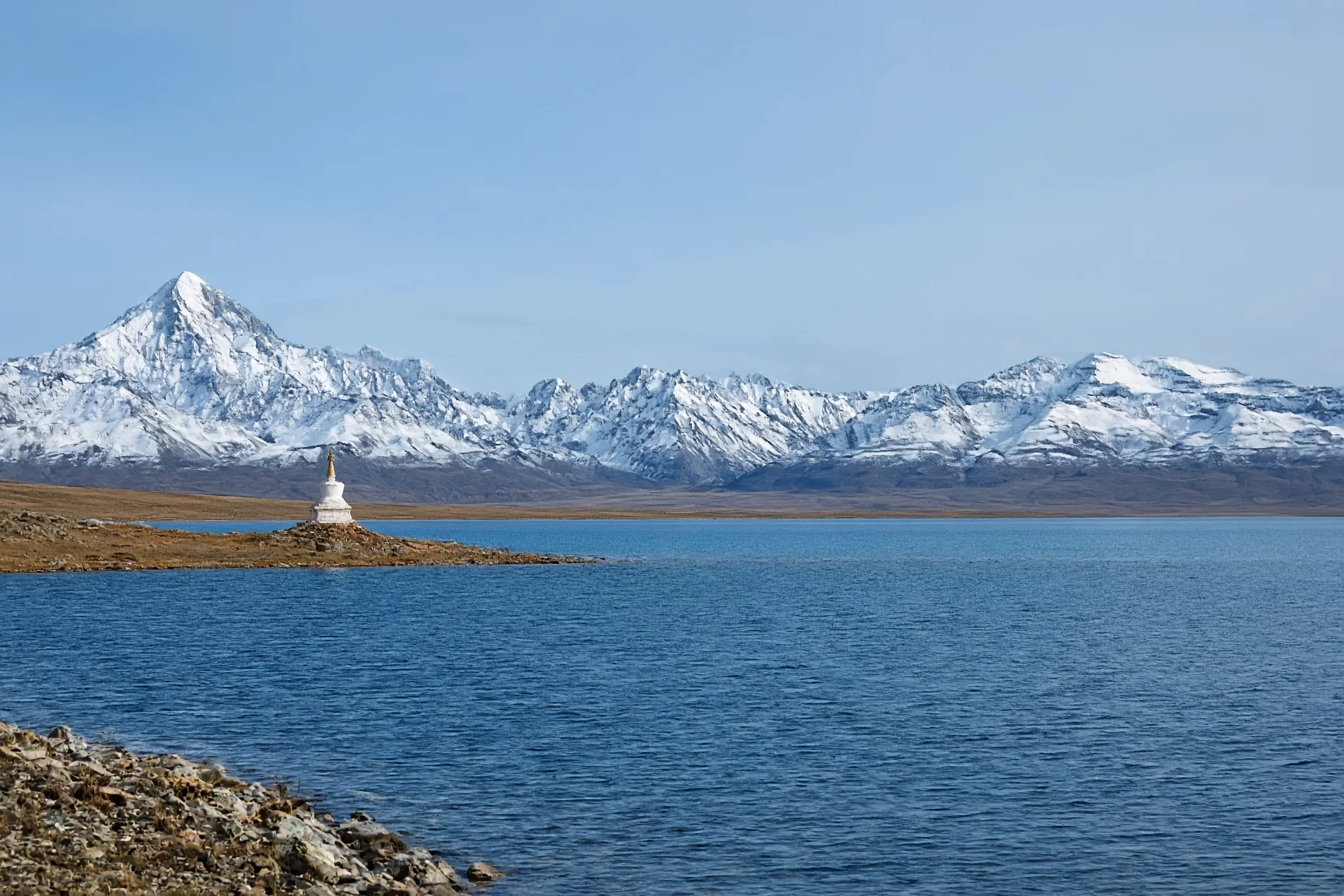
Cross the Mayum La pass and descend to Lake Manasarovar, revered by Buddhists, Hindus, Jains and followers of the Bon faith. Its deep blue water reflects the snow peaks around it, and pilgrims walk its shores in quiet devotion.
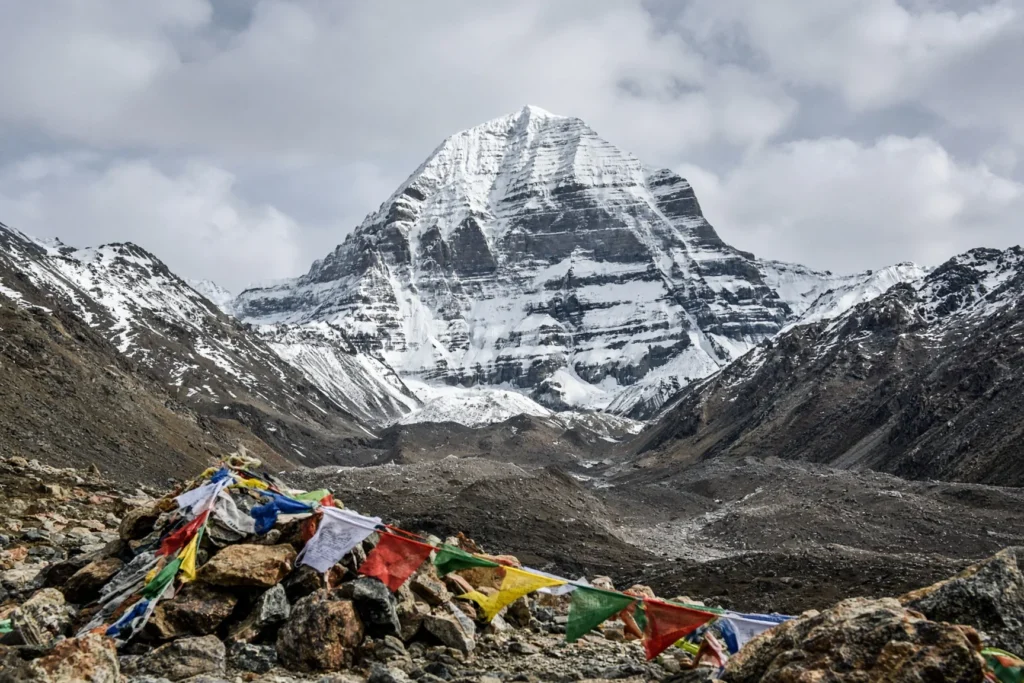
Mount Kailash comes into view, its near-symmetrical snow cap rising above the plain. Continue to Tarchen, the small town at the foot of the mountain where the kora begins, and rest well for the trek ahead.
Accommodation: Hotel in Tarchen (Mount Kailash).
The first day of the pilgrim circuit around Mount Kailash, ending beneath its north face.
If your dates coincide with the Saga Dawa festival, join the crowds at Tarboche to watch the great prayer flag pole being raised in a ceremony of blessing, one of the most important gatherings of the Tibetan year. Otherwise, the morning is a gentle start to the kora.
Take the scenic bus from Tarchen to Sershong, then begin walking along the valley of the Lha Chu river. Pilgrims of every age pass you, some prostrating their whole way round, others spinning prayer wheels as they walk.
Reach Driapuk Monastery, set opposite the sheer north face of Kailash. Watching the mountain glow in the late light from here is one of the most moving moments of the trip. The night is spent in a simple guesthouse.
Good to know: The kora is a demanding trek at high altitude. Porters and yaks can be arranged to carry bags, and your guide will adjust the pace to the group.
Meals: Breakfast. Accommodation: Hotel in Mount Kailash.
The hardest and most sacred stage of the kora, over the Dolma La pass.
Rise for sunrise on the north face of Mount Kailash, then start the long climb towards the Dolma La.
The Dolma La is the highest point of the kora, at around 5,600 metres, and its summit is covered in prayer flags left by pilgrims. Many leave a token of their life here, such as a lock of hair or a photograph. Pause, catch your breath and take in the view.
Descend past Gauri Kund, a small emerald lake sacred to Hindu pilgrims, and follow the valley down to Dzutrulpuk Monastery, linked with the meditation cave of the poet-saint Milarepa. Spend the night in a simple guesthouse nearby.
Accommodation: Hotel in Mount Kailash.
Complete the kora and soak tired legs in hot springs on the shores of Manasarovar.
Walk the final easy stretch out of the valley to complete the kora, or take the sightseeing bus back to Tarchen. Completing the circuit is believed by pilgrims to wash away the sins of a lifetime.
Drive to the shores of Lake Manasarovar, with Mount Kailash to the north and the snowy dome of Gurla Mandhata, called Naimonanyi locally, rising to the south.
Stay in simple hot spring cabins by the lake and soak away the effort of the last three days as the light fades on the water.
Accommodation: Hotel in Lake Manasarovar (Mount Kailash).
Back east across the open plateau, with grasslands, wildlife and a blue lake on the way.
Take a last look at Manasarovar and Kailash, then set off by private car back towards Saga.
The road crosses broad pastoral grasslands where nomads graze yak and sheep. Keep your camera ready for wildlife such as Tibetan wild ass, gazelle and marmots. Stop at Gongzhu Tso, a quiet lake in a wide basin.
Arrive in Saga and rest at your hotel. After the days of trekking and simple lodgings, a hot shower and a proper bed feel like real luxury.
Meals: Breakfast. Accommodation: Hotel in Saga (Mount Kailash).
Drop down from the plateau into a green, wooded valley near the Nepal border.
Drive south by private car, leaving the high plateau behind as the road descends towards the Gyirong Valley.
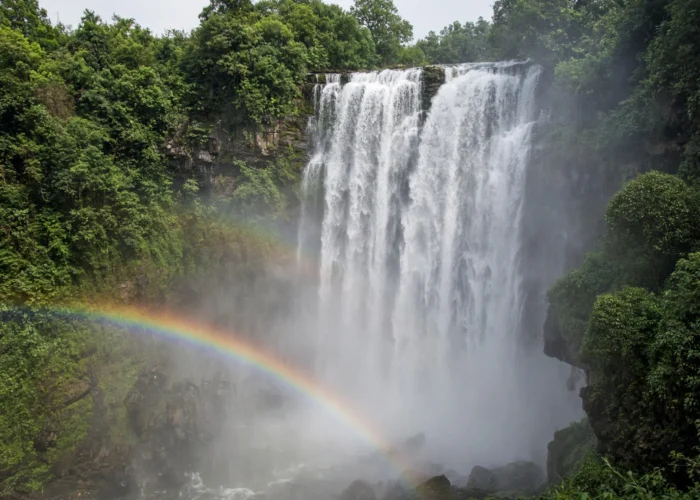
Within a few hours the landscape changes completely: forests, waterfalls and terraced fields appear, and the air feels thicker and warmer. Gyirong has long been a trading route between Tibet and Nepal. If you wish, and if permits allow, your guide can take you to the border area near the Nepali frontier.
Spend the night in Gyirong, a welcome lower-altitude stop after the days around Kailash.
Accommodation: Hotel in Gyirong (Mount Kailash).
Back up onto the plateau for one more great lake and views of Cho Oyu.
Climb out of the valley by private car towards Peiku Tso, with Shishapangma reflected in its waters on a still day.
Continue to the Cho Oyu viewpoint, where the broad summit of the world’s sixth highest mountain fills the southern skyline. Arrive in Tingri, a small town on the high plain, in the late afternoon.
Tingri is a simple place of low stone houses, teahouses and grazing yak, with the Himalaya filling the view to the south. Take an easy walk through the village as the light softens, then rest at your guesthouse for the long drive back to Lhasa.
Meals: Breakfast. Accommodation: Hotel in Tingri (Mount Everest).
A long final drive east, following the Yarlung Tsangpo back to Lhasa.
Leave Tingri by private car and retrace the road to Shigatse, crossing high passes with a last look back at the Himalaya.
Beyond Shigatse the road follows the Yarlung Tsangpo through a narrow gorge, with steep rock walls, villages on small terraces and prayer flags strung across the river. It is a scenic end to the journey.
Arrive back in Lhasa and enjoy a relaxed last evening in the city. If you have the energy, walk once more around Barkhor Street, where the pilgrims keep circling the Jokhang well after dark, or simply celebrate the journey over a final meal of your choice.
Meals: Breakfast. Accommodation: Hotel in Lhasa.
Farewell to Tibet.
After breakfast, your guide and driver take you to Lhasa Gonggar Airport or the railway station for your onward journey.
Meals: Breakfast.
Accommodation in your chosen hotel class, with daily breakfast
Meals as listed in the itinerary
Private air-conditioned vehicle with driver for all transfers and touring
Private English-speaking local guide in each destination
Domestic flights, high-speed trains and river cruises as listed in the itinerary
All entrance fees, performances, boat trips and excursions as listed
Bottled water during touring
International flights
China visa fees, where a visa is needed for your nationality
Travel insurance
Tips for guides and drivers
Drinks and personal expenses
Meals not listed in the itinerary
Indulge in a vivid, sensory panorama of our cherished destinations, carefully curated to ignite your wanderlust and craft a tantalizing prelude to your forthcoming journey!
Free quote, no obligation
Are you looking for an unforgettable experience in Southeast Asia? Look no further! Our company offers tours that will take you on a journey through the beautiful landscapes and rich cultures of this region. Join us for an adventure of a lifetime!
“The journey with Orient Charm and the Team was impeccably organized from dawn till dusk, turned our adventure into a breezy, carefree escapade.”
“...everything showcased online was even better in reality. Outstanding service, delectable food, splendid hotel rooms, and the highlight was the personnel.”
“Our travel maestro, Khunie, delivered a performance par excellence, presenting us with an exquisite welcome gift right on day one in the bustling metropolis of Hanoi.”
Tailor-made
Tailor-made
Tailor-made
Tailor-made
Tailor-made
Tailor-made
Tailor-made
Tailor-madeThree quick questions and we will match you with the right journeys.