When Traveling Is Caring ❤️

拉萨Tibet29.65° N · 91.12° E
Golden roofs, butter lamps and pilgrims circling the old town at dawn, high on the Tibetan Plateau. Here is everything you need to know before you go.
Lhasa lies in a wide river valley at about 3,650 metres above sea level, ringed by bare brown mountains and clear, intense light. For more than a thousand years it has been the centre of Tibetan Buddhism, and the city still draws pilgrims from across the plateau, many walking the old circuits around its temples with prayer wheels and beads in hand.
The Potala Palace rises above everything, its white and red walls climbing a hill in the middle of the valley. In the old town below, the Jokhang Temple glows with butter lamps, and the Barkhor around it fills each morning with walkers, incense and stalls of prayer flags. On the edge of the city, the great monasteries of Sera and Drepung offer a glimpse of monastic life and lively debating in the courtyards.
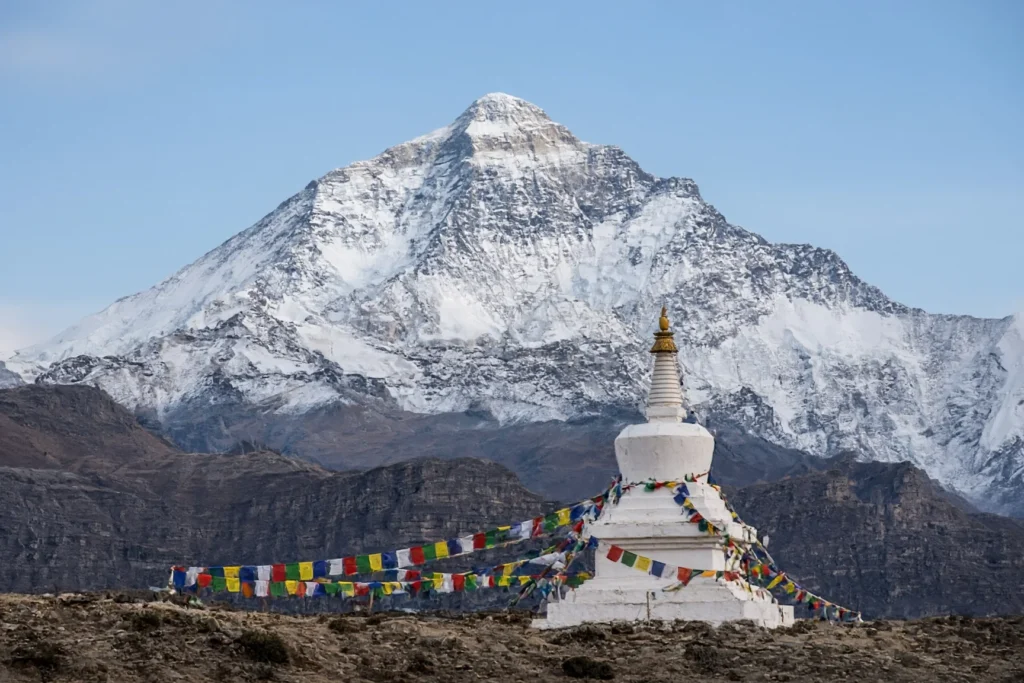
Lhasa needs a gentle approach. The altitude means a slow first day or two, and every international visitor travels on a Tibet Travel Permit with a licensed guide. We suggest three or four nights, adding turquoise Yamdrok Lake or the road on to Shigatse and Everest. Use this guide to plan what to see, what to eat, where to stay and when to come.
Every journey below is private and tailor-made, with the permit, licensed guide and gentle pacing for the altitude all arranged for you.
We tailor every trip. Want more time in Lhasa, a different pace or a mix of places? Design my trip →
How our local guides would spend one unhurried day in the city once you have acclimatised, from the dawn kora to the Potala lit up at night.
Join pilgrims walking clockwise around the Jokhang as juniper smoke rises from the burners.
Warm up in a local teahouse with sweet milk tea, a bowl of Tibetan noodles or momos.
The most sacred temple in Tibet, glowing with butter lamps, with views from the golden roof.
A slow lunch of yak and barley dishes, then time to rest before the afternoon.
Climb steadily to the former winter palace of the Dalai Lamas for a timed visit through its chapels.
Watch monks debate Buddhist philosophy in the courtyard with claps and lively gestures.
The classic view of the palace from the hill opposite as the evening light turns gold.
See the illuminated palace reflected in the fountains, then an early night for the altitude.
How you pace a visit to Lhasa matters more than what you see first. We plan easy days on arrival and keep the higher excursions for later. Here is how we would choose.
Rest on the first afternoon, then spend the next day on gentle sights in the old town. The Potala's steps are easier once your body has adjusted.
A sacred turquoise lake about 2.5 to 3 hours from Lhasa, seen from a high pass on the road towards Gyantse and Shigatse. It fits neatly into an onward journey.
One of the highest large lakes in the world, about four hours north, with wide grasslands and snow peaks. Even higher than Lhasa, so it comes at the end of a stay.
The experiences our travellers enjoy most, in order of what we would not miss.
The former winter palace of the Dalai Lamas, rising thirteen storeys up Red Hill. Visits are timed and limited, so your guide books the slot and explains the chapels as you climb.
The most sacred temple in Tibetan Buddhism, founded in the seventh century and part of the Potala UNESCO listing. Pilgrims prostrate at the entrance while butter lamps flicker inside.
The circular pilgrim route around the Jokhang, walked clockwise with prayer wheels in hand. Early morning is the most atmospheric time, before the stalls fill with visitors.
One of the great monasteries of the Gelug school, just north of the city. Most afternoons monks gather in a shaded courtyard for lively philosophical debates.
Once among the largest monasteries in the world, spread over a hillside west of Lhasa. Wander whitewashed lanes and chapels with sweeping views of the valley.
The summer palace gardens of the Dalai Lamas, part of the UNESCO site, with shady parkland and painted pavilions. A calm, low-effort visit for an acclimatisation day.
A good introduction to Tibetan art, thangka painting, crafts and daily life, near the Norbulingka. Useful early in a visit, when gentle indoor sights suit the altitude.
A smaller and quieter temple in the old town, traditionally linked with the Jokhang. Pilgrims circle its walls and the atmosphere feels close and devotional.
The classic view of the Potala Palace from the hill opposite, decorated with prayer flags and carved stones. Lovely in the soft light of late afternoon and early evening.
A sacred turquoise lake reached over a high mountain pass, about 2.5 to 3 hours from Lhasa. Often combined with the road to Gyantse and Shigatse.
A vast high-altitude lake beneath snow peaks, about four hours north of Lhasa. Spectacular but very high, so save it for the end of your stay.
Sit on long benches among locals and drink milky sweet tea poured from a thermos. One of the simplest and most sociable experiences in Lhasa.
Plan your private, tailor-made China trip for 2027 now and get $100 off. Tell us your travel dream and we will design it with you.
Customise My TripLocal specialities worth seeking out, and when the locals eat them. Your guide will know the best places to try each one.
Add a food experience →Each neighbourhood has its own rhythm. Pick the one that sounds like you, or let us surprise you.
Around the Barkhor and the Jokhang, among pilgrims, prayer wheels and traditional Tibetan buildings. Ideal for walking the dawn kora.
Along the main roads near the palace, with modern hotels and easy access to the sights. A short drive or walk to the old town.
Newer hotels near the Lhasa River and on the edge of the centre, calmer at night with more space and mountain views.
Tell us your style and our consultants will hand-pick a stay you would never find on your own.
A restored heritage house, a quiet lakeside villa or a family-run boutique: we match the hidden gem to you, and reveal it with your itinerary.
Ask for a surprise stayLhasa Gonggar Airport has flights from Chengdu, Chongqing, Beijing, Xi'an and other Chinese cities. The Qinghai to Tibet railway also reaches Lhasa from Xining, a scenic journey of around 20 hours or more. Your Tibet Travel Permit must be ready before you board either.
The old town and the Barkhor are best explored slowly on foot, at an altitude-friendly pace.
Best for: Old townIncluded on our journeys, with your licensed guide, for the monasteries and day trips.
Best for: Monasteries and lakesThe railway links Lhasa with Shigatse and, across the plateau, with Xining.
Best for: Onward travelPlaces that pair well with Lhasa, with approximate travel times.
April to October is the main season, with mild sunny days and the best road conditions for lakes and Everest. July and August bring some rain, mostly at night, and the biggest domestic crowds. Winter is cold but often clear and quiet, though permits for foreign visitors are sometimes unavailable at certain times of year.
A general guide. Weather varies from year to year, and we plan each route around the season.
Quick answers from our local team. Anything else, just ask your travel specialist.
Ask us on WhatsAppYes. International visitors need a Chinese visa and a Tibet Travel Permit, which can only be arranged through a licensed agency with a guided itinerary. Orient Charm arranges the permit for you, together with your licensed guide and private car. Permits can be suspended at short notice, so we suggest flexible plans and good travel insurance.
Not as a foreign visitor. You must travel with a licensed guide on a planned itinerary, and some sights outside the city need extra permissions. Within the old town there is usually time to wander the Barkhor at your own pace. Your guide handles the paperwork and checkpoints so the journey runs smoothly.
Ascend gradually where you can, rest on the first afternoon, drink plenty of water and avoid alcohol for the first day or two. Mild headaches and breathlessness are common. Speak to your doctor before travelling, especially with heart or lung conditions, and tell your guide at once if you feel unwell, as symptoms should never be ignored.
April to October is the most popular season, with mild days, clear light and open roads to the lakes and Everest. Late spring and autumn are especially pleasant. July and August are busier and a little wetter. Winter is cold but sunny and quiet, though permits are sometimes unavailable at certain times.
We suggest three or four nights. The first day is for resting, the next two for the Potala Palace, Jokhang, Barkhor and the great monasteries, and a fourth adds Yamdrok Lake. Many travellers continue overland to Shigatse and Everest Base Camp, which needs several more days.
Flying is quickest, with direct flights from Chengdu and other cities, but it lifts you to altitude in a few hours. The train from Xining crosses the plateau over around a day, with oxygen supplied in the carriages and wide views of grassland and mountains. Both need your permit before departure.
Dress modestly, with shoulders and knees covered, and remove hats inside chapels. Walk clockwise around temples, stupas and prayer wheels, and do not touch statues or step over offerings. Photography is not allowed inside most chapels. Layers, a sun hat and strong sunscreen are useful, as the sun is intense at altitude.
Gonggar Airport is about an hour from Lhasa by expressway. Your licensed guide will meet you at arrivals with a traditional white khata scarf of welcome and travel with you in a private car to your hotel, where we recommend a quiet first afternoon to rest.
Tell us what you have in mind and a local travel specialist will design a private itinerary around you. Free, with no obligation.
Three quick questions and we will match you with the right journeys.