When Traveling Is Caring ❤️

เชียงใหม่Northern Thailand18.79° N · 98.99° E
Northern Thailand's old Lanna capital, with hundreds of temples, cool mountains and a food culture all its own. Here is how to plan your time, from temples and markets to elephants and day trips.
Chiang Mai was founded in 1296 by King Mangrai as the capital of the Lanna kingdom, which ruled much of what is now northern Thailand for centuries. The square Old City is still ringed by a moat and the remains of brick walls and gates, and inside them you will find dozens of temples, from the ruined great chedi of Wat Chedi Luang to the graceful Lanna halls of Wat Phra Singh.
The mood here is calmer than Bangkok. Mornings start early with monks collecting alms, afternoons drift by in cafés and craft shops, and weekends bring walking street markets that fill the old lanes. Above the city rises Doi Suthep, crowned by one of the north's most sacred temples, and beyond it are forested hills, waterfalls and Doi Inthanon, the highest mountain in Thailand.
Food is a big reason to come. Northern cooking has its own dishes, starting with khao soi, a curried noodle soup, and cooking classes here are among the best in the country. Most travellers stay three or four nights, often combining the city with a day in the mountains, a visit to an elephant sanctuary and an onward trip to Chiang Rai.
Every journey below is private and tailor-made, so you can mix temples, mountains, cooking and a responsible elephant visit at your own pace.
We tailor every trip. Want more time in Chiang Mai, a different pace or a mix of places? Design my trip →
How our local guides would spend one day in the city, from the temple on the mountain to a market after dark.
Watch saffron-robed monks walk the quiet Old City lanes as residents make offerings. Keep a respectful distance.
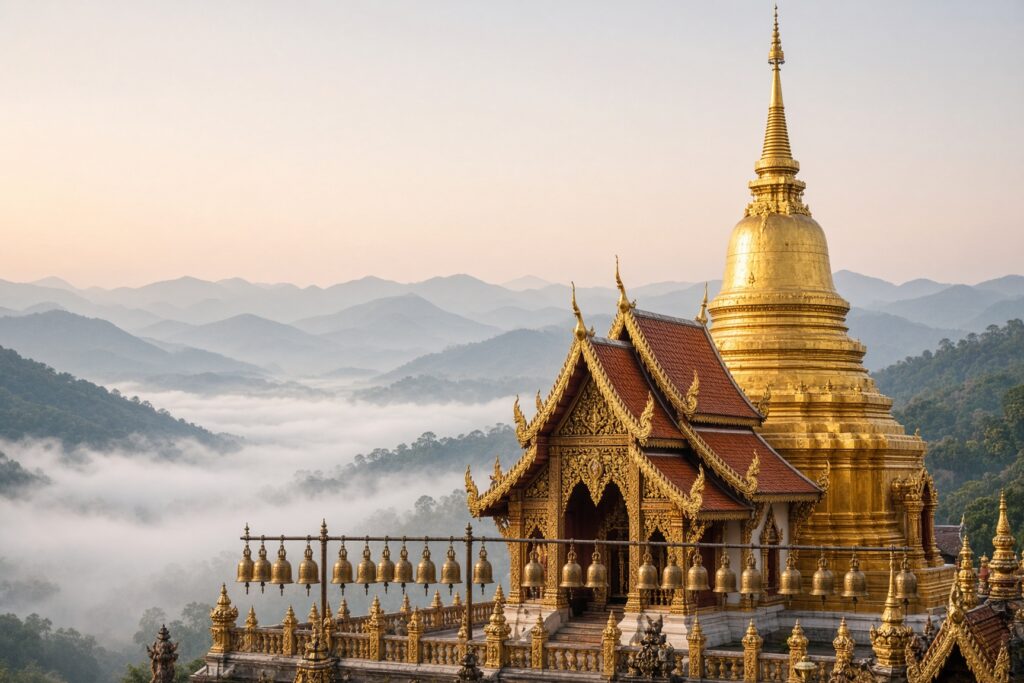
Drive up the mountain and climb the naga staircase to the golden chedi, with views over the city if the air is clear.
Classic Lanna temple halls, then the huge ruined chedi at the centre of the Old City.
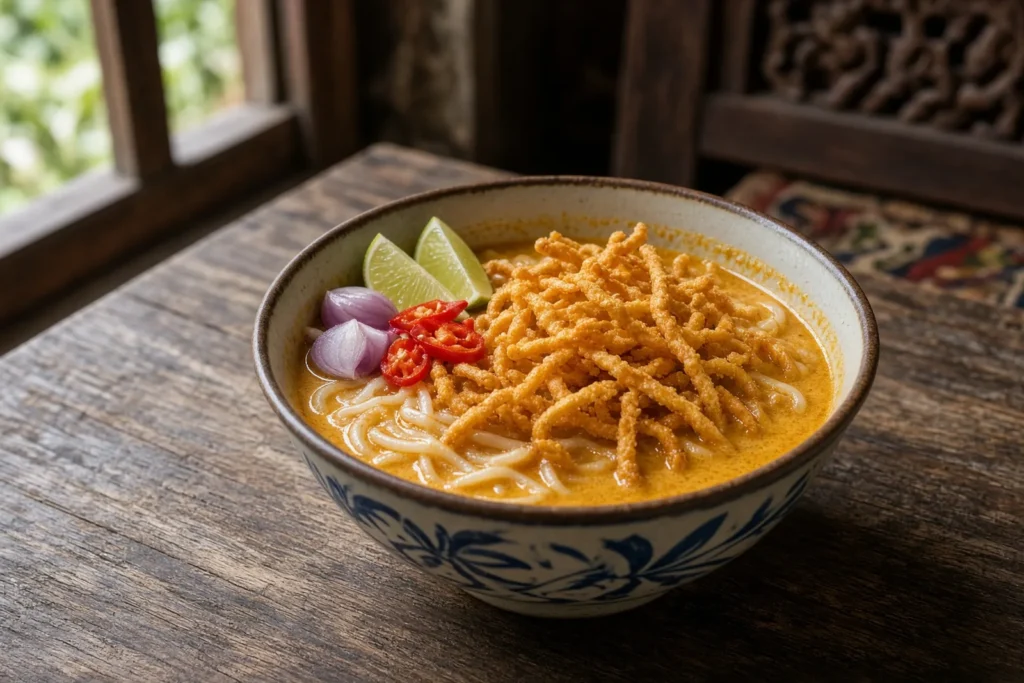
A bowl of curried egg noodles with crispy noodles on top, the dish Chiang Mai is famous for.
Learn to make curry pastes and northern dishes, or browse silk, silver and umbrella workshops on the city's edge.
Iced coffee from northern hill farms in the city's youngest, trendiest neighbourhood.
A slow walk or a drink by the river as the light softens over the old town.
On weekends the Saturday or Sunday walking street, or the night bazaar on other evenings, with street food all the way.
Meeting elephants is high on many lists, and the hills around Chiang Mai are full of camps and sanctuaries. Some care deeply for their animals; others use the word sanctuary as marketing. Here is how our team thinks about it.
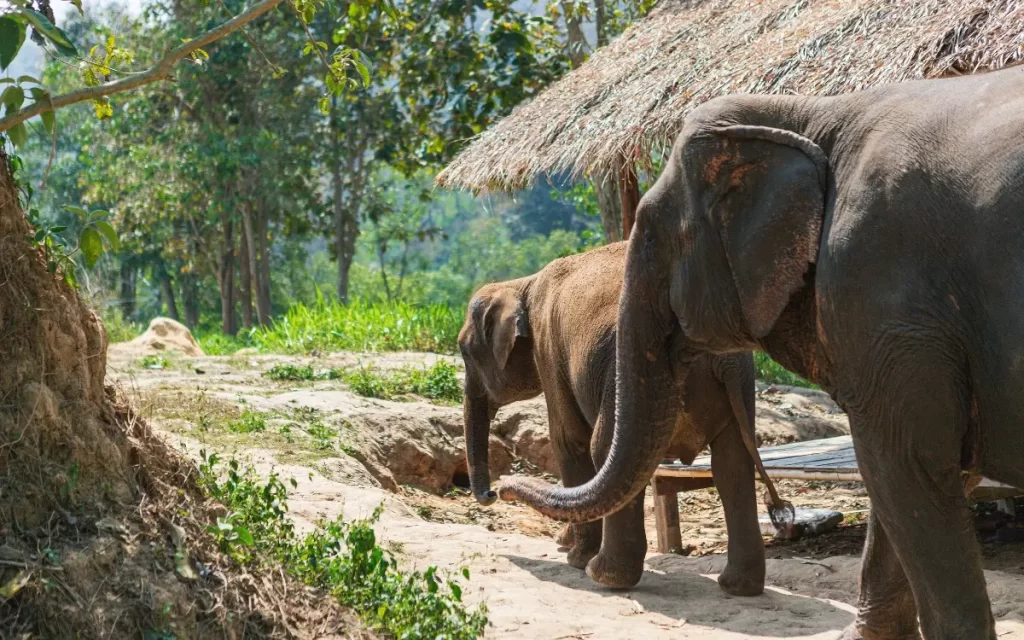
The best places let elephants behave like elephants: walking, foraging, bathing and socialising while you watch from a respectful distance. You may help prepare food, but the day is about the animals, not about touching them.
Riding, painting, football, circus-style shows and posing for selfies usually depend on harsh training and chains. If a camp offers any of these, we suggest looking elsewhere, even if it also calls itself a sanctuary.
Ask how many elephants there are, how much space they have, whether they are chained at night, and how many visitors come each day. More and more places have also stopped bathing sessions with tourists, which is a good sign.
The experiences our travellers enjoy most, in order of what we would not miss.
The north's most revered temple sits on the mountain above the city, reached by a long naga-lined staircase. Go early for cooler air, fewer people and the clearest views.
A massive brick chedi, partly ruined by an earthquake centuries ago, in the heart of the Old City. Some temples here also host informal chats with monks.
One of the most important temples in Chiang Mai, with a beautiful small Lanna-style chapel decorated with old murals. Elegant, peaceful and easy to reach on foot.
Inside the moat you can stroll between dozens of temples in a morning, including Wat Chiang Man, thought to be the city's oldest. Quiet lanes and cafés make it easy on foot.
Ratchadamnoen Road and the lanes around it close to traffic every Sunday evening for crafts, snacks and music. The Saturday market on Wualai Road is a smaller, silver-making version.
A long strip of stalls and markets on Chang Klan Road every evening. Very commercial and much of it is mass-produced, but handy if you are in town midweek.
Shop at a local market, then cook curries, soups and stir fries in a farm or garden setting. Chiang Mai is one of the best places in Thailand to learn.
Try khao soi, spicy sausages and chilli dips with sticky rice. A guided food walk or a market visit is an easy way to find the best local spots.
Spend a day watching rescued elephants forage and bathe in the hills. Choose an observation-based sanctuary with no riding, as our guide above explains.
Thailand's highest mountain, with waterfalls, cloud forest trails, twin royal pagodas and Karen and Hmong villages. A full day trip, and cool at the top, so bring a layer.
A green valley just north of the city with waterfalls, gardens, farms and some of the area's elephant sanctuaries. Easy to combine with a slower countryside day.
Visit workshops for silver, lacquerware, umbrellas, ceramics and textiles around San Kamphaeng and Bo Sang, and watch artisans at work.
Plan your private, tailor-made Thailand trip for 2027 now and get $100 off. Tell us your travel dream and we will design it with you.
Customise My TripLocal specialities worth seeking out, and when the locals eat them. Your guide will know the best places to try each one.
Add a food experience →Each neighbourhood has its own rhythm. Pick the one that sounds like you, or let us surprise you.
Inside the moat, close to the main temples and the Sunday walking street. Small boutique hotels and quiet lanes.
West of the Old City near the university, full of cafés, restaurants and shops, with Doi Suthep close by.
Along the Ping River east of the centre, with garden hotels and riverside dining, near the night bazaar.
Tell us your style and our consultants will hand-pick a stay you would never find on your own.
A restored heritage house, a quiet lakeside villa or a family-run boutique: we match the hidden gem to you, and reveal it with your itinerary.
Ask for a surprise stayMost travellers fly from Bangkok in a little over an hour. The overnight train from Bangkok takes around 11 to 13 hours and is a classic journey if you have time. There are also some direct regional flights to other Asian cities.
The Old City is compact and best explored slowly between temples.
Best for: Old CityRide-hailing and red shared pick-up trucks for short hops around town.
Best for: Short tripsFlat Old City lanes are pleasant by bike in the cooler hours.
Best for: Early morningsIncluded on our journeys for Doi Suthep, Doi Inthanon and day trips.
Best for: MountainsPlaces that pair well with Chiang Mai, with approximate travel times.
November to February is the best time, with dry days and cool mornings and evenings, and the Yi Peng lantern festival around the November full moon. March to May is hot, and late in the dry season smoke from crop burning can create heavy haze. The rainy season from about June to October turns the hills green, with showers most days.
A general guide. Weather varies from year to year, and we plan each route around the season.
Quick answers from our local team. Anything else, just ask your travel specialist.
Ask us on WhatsAppThree nights covers the Old City temples, Doi Suthep, a cooking class and a day at an elephant sanctuary or Doi Inthanon. Four or five lets you slow down and add Mae Rim or a craft village. Many journeys continue to Chiang Rai afterwards.
November to February is the most pleasant, with dry, sunny days and cool nights. Late February to April can bring smoky haze from crop burning, while June to October is wetter but green and quieter.
Some are, some are not. Choose a place with no riding, no shows and no painting, where elephants roam freely and you observe from a distance. Ask about visitor numbers and how the elephants are kept at night. Our team only suggests places that follow these principles.
They are very different. Bangkok is a big, intense capital; Chiang Mai is smaller, greener and more relaxed, with mountains nearby. Most first-time visitors enjoy seeing both, usually with two or three nights in each.
Every Sunday evening, Ratchadamnoen Road in the Old City and nearby lanes close to traffic for a huge market of crafts, clothes, snacks and street music. It gets very busy after dark, so go early in the evening for a gentler stroll.
The Old City suits first-time visitors who want to walk to temples, Nimman suits café lovers and longer stays, and the riverside suits couples and families who prefer quieter evenings. Your travel consultant will help you choose.
Flying takes a little over an hour and is the quickest option. The overnight sleeper train takes around 11 to 13 hours and is a memorable trip. Driving takes most of a day but allows stops in Ayutthaya, Sukhothai or Lampang.
Cover your shoulders and knees, and take off your shoes before entering temple halls. Women should not touch monks or hand things to them directly. A light scarf or sarong is handy to carry.
Tell us what you have in mind and a local travel specialist will design a private itinerary around you. Free, with no obligation.
Three quick questions and we will match you with the right journeys.