When Traveling Is Caring ❤️

Hội AnCentral Vietnam15.88° N · 108.33° E
A riverside trading port of yellow walls, silk lanterns and family noodle shops, with beaches and rice fields on its doorstep. Here is what to see, eat and know, including how to avoid the crowds.
From roughly the 15th to the 19th century, Hoi An was one of the busiest trading ports in Southeast Asia, where Chinese, Japanese and European merchants waited for the monsoon winds to carry them home. When the Thu Bon River silted up and trade moved to Da Nang, the town was simply left behind, and that is why it survives. Its timber shophouses, Chinese assembly halls and the little Japanese Covered Bridge earned the Ancient Town a UNESCO listing in 1999.
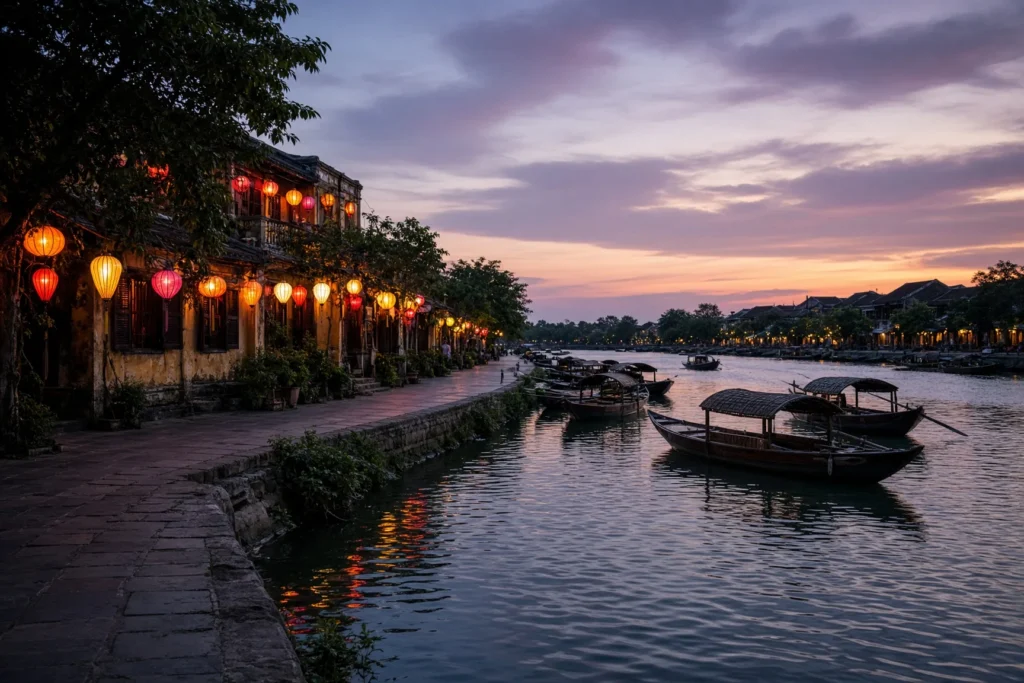
Today the Old Town is Vietnam's most photogenic small town, and also one of its busiest. By mid-morning the lanes fill with tour groups, and at dusk the riverbank is packed with boats selling paper lanterns. Come early or stay late, step a street or two back from the river, and Hoi An is still a gentle place of tailors, noodle shops, family altars and bicycles.
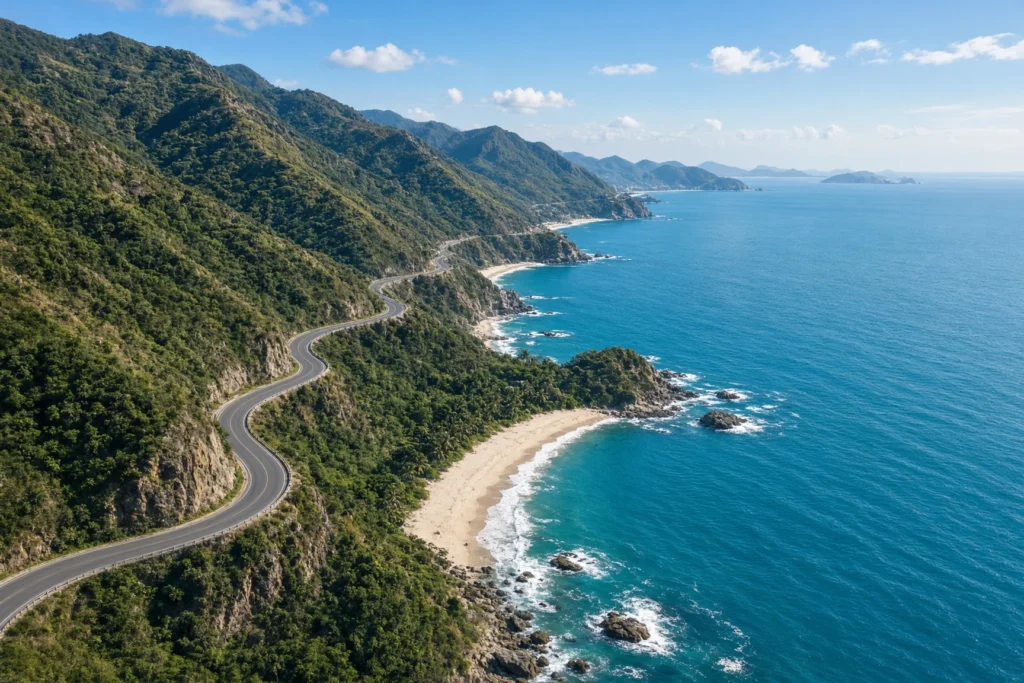
Most travellers stay three nights, mixing the Old Town with the beaches at An Bang and Cua Dai, cycling through rice fields and vegetable gardens, and a morning at the Cham ruins of My Son. Da Nang airport is only about 45 minutes away, and Hue is a scenic drive over the Hai Van Pass. This guide covers what to see, what to eat, where to stay and how to dodge the crowds.
Every journey below is private and tailor-made, so you can give Hoi An the slow days it deserves or pair it with Hue, Da Nang and the rest of the coast.
We tailor every trip. Want more time in Hoi An, a different pace or a mix of places? Design my trip →
How our local guides would spend one full day in Hoi An, with the Old Town at its quietest and the hot middle of the day out in the countryside.
Walk the empty lanes past yellow shophouses, the Japanese Covered Bridge and the waking market by the river.
A crackly Hoi An banh mi from a street stall, or a bowl of cao lau if you would rather have noodles.
Use your Old Town ticket on a Chinese assembly hall and a merchant's house still lived in by the same family.
Drop in for a fitting if you have ordered clothes, or learn to cook local dishes after a market visit.
Hoi An's famous com ga: turmeric rice, shredded chicken, herbs and a small bowl of broth.
Pedal along quiet lanes to the herb gardens of Tra Que, then on through the paddies towards the coast.
Feet in the sand with a cold drink as the light fades over the sea.
Back in town when the lanterns glow, cross to An Hoi for the night market, then stroll the lanes as the crowds thin.
The three things every Hoi An visitor asks us about, plus the half-day trip we would never skip.
A ticket is needed to enter the heritage area of the Old Town, and it includes entry to a choice of old houses, assembly halls and small museums. The proceeds go towards conserving the town.
Every evening the Old Town glows with silk lanterns, and once a month, around the full moon, it holds a lantern night with fewer electric lights and candles floating on the river. It is beautiful and very busy.
Hoi An has a great many tailor shops, and quality ranges from excellent to rushed. The best results come from a clear idea, time for two or three fittings and no pressure to buy on the spot.
About an hour inland, the brick temple towers of the Cham kingdom stand in a jungle valley, listed by UNESCO in 1999. Arrive at opening time, before the heat and the tour groups, and allow half a day.
The experiences our travellers enjoy most, in order of what we would not miss.
Yellow shophouses, wooden balconies and lantern-strung lanes between the Thu Bon River and Tran Phu Street. Walk it at dawn and after dark, when it feels like a town rather than a stage set.
Built by the town's Japanese trading community around four centuries ago, with a tiny temple inside. It is Hoi An's symbol, so expect queues of photographers by mid-morning.
Ornate meeting halls built by merchant communities from Fujian, Canton and other provinces, full of incense coils, dragons and carved altars. The Fujian hall is the grandest.
Step inside a timber house where the same family has lived for generations, with a shop at the front, a courtyard and a rear storeroom that once opened onto the river.
Red-brick Cham temple towers in a green valley about an hour away, a UNESCO site since 1999. Go at opening time to beat the heat and the groups.
Flat lanes lead to a village of herb and vegetable gardens farmed the traditional way. Spend an hour with a farmer, then ride on through the rice fields.
Spin through the palm-lined channels in a round bamboo basket boat. Playful and very touristy, with loud music at busy times, so go early.
A riverside village where families have shaped clay for generations, a short ride from town. Much quieter than the Old Town and good with children.
Shop for herbs and noodles at the central market, then cook cao lau, banh xeo or fresh spring rolls. Some classes start with a boat ride on the river.
The closest good beach to the Old Town, about 15 minutes by car or 20 by bicycle, lined with relaxed beach cafés. Calm and swimmable in summer, rough in winter.
A small group of islands offshore from Cua Dai, with clear water for snorkelling. Boats run in the calmer months, roughly March to September, and stop when the sea is rough.
After dark the Old Town and the An Hoi riverbank glow with silk lanterns. Browse the night market, then wander the back lanes once the crowds go home.
Plan your private, tailor-made Vietnam trip for 2027 now and get $100 off. Tell us your travel dream and we will design it with you.
Customise My TripLocal specialities worth seeking out, and when the locals eat them. Your guide will know the best places to try each one.
Add a food experience →Each neighbourhood has its own rhythm. Pick the one that sounds like you, or let us surprise you.
Walk out of your door into the lantern streets early and late, when the town is at its best. Rooms can be smaller and evenings noisier.
Beach hotels and villas about 10 to 15 minutes from the Old Town. Ideal in the summer months, less so in the stormy season.
Homestays and small hotels in Cam Thanh, Tra Que and along the river, with bicycles to ride into town.
Tell us your style and our consultants will hand-pick a stay you would never find on your own.
A restored heritage house, a quiet lakeside villa or a family-run boutique: we match the hidden gem to you, and reveal it with your itinerary.
Ask for a surprise stayHoi An has no airport or railway station of its own; almost everyone flies into Da Nang, which has frequent flights from Hanoi and Ho Chi Minh City and direct flights from many Asian cities. From Hue, the drive over the Hai Van Pass takes about 3 to 4 hours with stops.
The Old Town is compact and much of it is closed to traffic for long parts of the day, so walking is the best way to see it.
Best for: Old TownFlat lanes lead to the rice fields, Tra Que and An Bang Beach, and many hotels lend bicycles.
Best for: CountrysideSampans and small boats on the Thu Bon River, from lantern rides to trips out to the villages.
Best for: River tripsIncluded on our journeys for My Son, Da Nang and the drive to Hue.
Best for: Day tripsPlaces that pair well with Hoi An, with approximate travel times.
February to May is the best time: dry, sunny and warm without the full heat of summer. June to August is hot but good for the beach. The rainy season runs from about September to December, with heavy rain and floods most likely in October and November, and January can still be cool and showery.
A general guide. Weather varies from year to year, and we plan each route around the season.
Quick answers from our local team. Anything else, just ask your travel specialist.
Ask us on WhatsAppYes, for most travellers it is a highlight of Vietnam, but go with the right expectations. The Old Town is beautiful and very touristy, and it is crowded in the middle of the day. Walk it early and late, then spend the rest of your time on bicycles, beaches and food, and Hoi An is a delight.
Three nights is ideal: one day for the Old Town, one for the countryside and the beach, and a morning at My Son. Two nights works if you are short of time. If you are having clothes made, allow at least two full days for fittings.
February to May is the most pleasant, warm and mostly dry. Summer is hot but good for the beach. The rainy season runs roughly from September to December, and October and November often bring floods to the riverside streets.
Yes. A heritage ticket is needed to enter the Old Town, and it includes entry to a selection of old houses, assembly halls and museums. Your guide will usually arrange it, and you should keep it with you while you explore.
Stay in Hoi An if you want lantern-lit evenings and easy walks in the Old Town. Choose Da Nang for a big city beach, more modern hotels and a short hop to the airport. Many travellers split their nights between the two, which are only about 45 minutes apart.
It can be, if you give it time. Order on your first day, bring a garment or photo to copy, and expect two or three fittings. Quality varies a lot between shops, so do not feel pressured, and check the fabric and finishing before you pay the balance.
Hoi An is about 30 km from Da Nang International Airport, around 45 minutes by car. Your travel consultant will arrange a private transfer with a name-sign welcome as part of your journey, and ride-hailing apps such as Grab also cover the route.
Try cao lau, the town's own noodle dish, white rose dumplings, Hoi An chicken rice, mi Quang and a banh mi from a busy street stall. A cooking class with a market visit is a good way to learn the dishes and take them home.
Tell us what you have in mind and a local travel specialist will design a private itinerary around you. Free, with no obligation.
Three quick questions and we will match you with the right journeys.