When Traveling Is Caring ❤️

Sa PaNorthern Vietnam22.34° N · 103.84° E
Rice terraces, misty peaks and the villages of the Hmong, Dao and Giay peoples, high in the far north. Here is how to choose your trek, where to stay, how to get there and when to go.
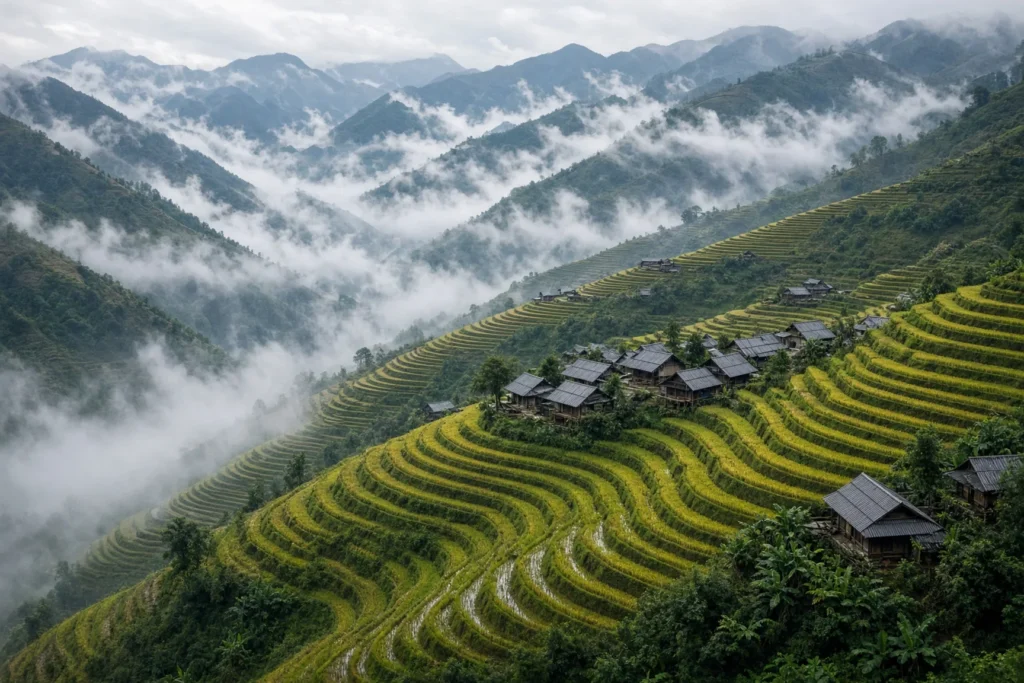
Sapa sits at around 1,500 metres in the Hoang Lien Son range, close to the Chinese border. The French developed it as a hill station in the early twentieth century to escape the lowland heat, and the cool air is still part of its appeal. Below the town, the Muong Hoa valley is carved into rice terraces that turn bright green in summer and gold before the autumn harvest.
The valleys are home to several ethnic minority groups, including the Black Hmong, Red Dao, Giay and Tay, many still farming the terraces and wearing traditional dress day to day. Walking between their villages with a local guide, stopping for lunch in a family home, is what makes a trip here special.
Be ready for Sapa town itself, though. It has grown fast and is busy, built-up and full of hotels and construction. The best of Sapa is out in the valleys, so plan to spend your time walking and sleeping there. This guide covers the treks, Fansipan, where to stay, how to get here and the seasons.
Every journey below is private and tailor-made, with a local guide on the trails, so you can choose the length of your treks and where you sleep.
We tailor every trip. Want more time in Sapa, a different pace or a mix of places? Design my trip →
Sapa has walks for every level, and the right one depends on your fitness, the weather and how much time you have. Here are the main options our guides use, from easiest to hardest.
A Black Hmong village just below town, reached on a paved path with steps, waterfalls and craft stalls. Very accessible and very touristy: a fine first hour, but not the real Sapa.
The classic day walk through the Muong Hoa valley, along terrace edges and down to the Hmong village of Lao Chai and the Giay village of Ta Van. Rewarding, with big views and lunch in a village.
Two or three days linking quieter villages such as Ta Phin, Ban Ho or communities deeper in the valleys, sleeping in homestays. Fewer people, more hills and a closer look at daily life.
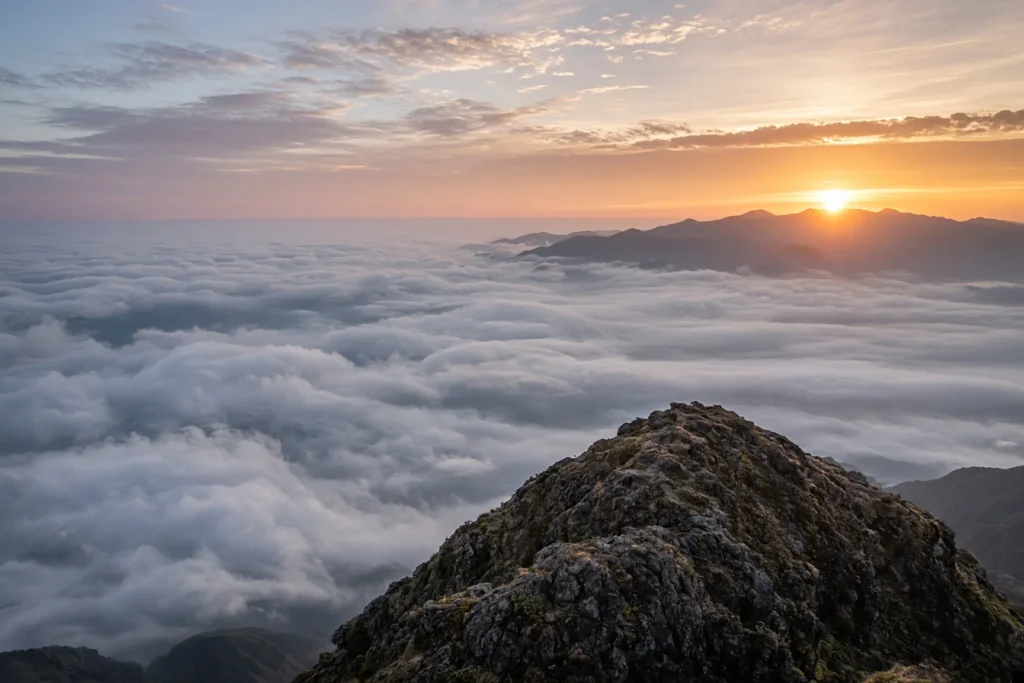
Fansipan is the highest peak in Indochina. A cable car and a final funicular and stairs bring most visitors to the summit area in under an hour. Climbing on foot is a tough one or two day hike for fit trekkers.
The experiences our travellers enjoy most, in order of what we would not miss.
The classic walk through Lao Chai and Ta Van, past terraces, bamboo forest and village schools. Go with a local guide and allow most of a day.
Sleep in a family home in Ta Van, Ta Phin or a quieter village, share a home-cooked dinner and wake up away from the town.
Ride the long cable car across the Hoang Lien range to the summit area, now dotted with new temples and statues. Go early before the clouds roll in.
A Red Dao village known for embroidery and herbal baths, a short drive from town. Ending a trek with a hot herbal soak is a local favourite.
A Black Hmong village below the town with a waterfall, craft stalls and photo spots. Easy and touristy, but handy for a short first walk.
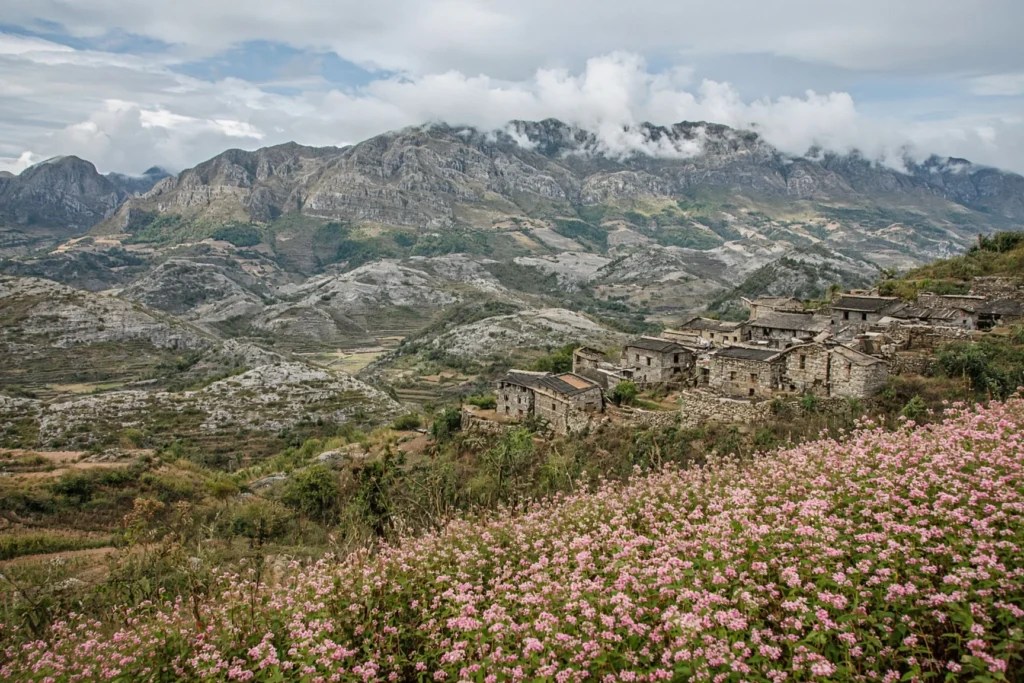
One of the most colourful hill markets in the north, where Flower Hmong come to trade buffalo, food and textiles. About 2.5 hours from Sapa, so plan a long day.
One of Vietnam's highest mountain passes, with sweeping views over the Hoang Lien range. Best on a clear afternoon, and on the way to Lai Chau.
Two or three days on foot between villages, with homestay nights, for walkers who want fewer people and more mountains.
A park on the hill above town with gardens, rock formations and views over Sapa. Pleasant for an hour, though very busy on holidays.
The old stone church in the town square, built during the French period. A good landmark and lively in the evening.
Skewers of pork, sticky rice in bamboo, corn and sweet potato grilled over charcoal on the town's streets. Perfect on a cold evening.
Plan your private, tailor-made Vietnam trip for 2027 now and get $100 off. Tell us your travel dream and we will design it with you.
Customise My TripLocal specialities worth seeking out, and when the locals eat them. Your guide will know the best places to try each one.
Add a food experience →Each neighbourhood has its own rhythm. Pick the one that sounds like you, or let us surprise you.
Most hotels, restaurants and services, close to the cable car. Lively but noisy and built-up, and the views depend on your hotel.
Homestays and small lodges around Ta Van and Lao Chai, among the terraces and a short drive from town.
Homestays in villages further out such as Ta Phin or Ban Ho, basic but welcoming, and the best way to see daily life.
Tell us your style and our consultants will hand-pick a stay you would never find on your own.
A restored heritage house, a quiet lakeside villa or a family-run boutique: we match the hidden gem to you, and reveal it with your itinerary.
Ask for a surprise stayThe fastest way is by road on the Hanoi to Lao Cai expressway, about 5 to 6 hours including the climb from Lao Cai. The overnight sleeper train from Hanoi to Lao Cai is a classic alternative, followed by about an hour's drive up the mountain. There is no airport close to Sapa.
Trekking with a local guide is how you see the valleys and villages.
Best for: VillagesHandles the journey from Hanoi or Lao Cai and drops you at trailheads.
Best for: TransfersOvernight from Hanoi to Lao Cai, saving a day of travel.
Best for: Getting thereLocal riders wait at the end of popular treks to take you back up to town.
Best for: Short hopsPlaces that pair well with Sapa, with approximate travel times.
March to May and September to November are the best months for trekking, with mild days and clearer skies. The terraces are greenest from June to August, the rainy season, and turn gold before the harvest in September. December to February can be cold and foggy, with frost and very occasional snow on the peaks, so bring warm layers.
A general guide. Weather varies from year to year, and we plan each route around the season.
Quick answers from our local team. Anything else, just ask your travel specialist.
Ask us on WhatsAppYes, if you come for the trekking, the terraces and the villages. Sapa town itself is busy and over-developed, so it can disappoint if you only stay there. Plan to walk in the valleys, ideally with a night in a village homestay.
Two nights is the minimum to make the journey worthwhile, giving one full day of trekking and time for Fansipan or a village. Three or four nights lets you do a longer trek with homestays, or add Bac Ha market on a Sunday.
By road it is about 5 to 6 hours on the expressway, with a private car the most comfortable option. The overnight sleeper train to Lao Cai takes around 8 hours, then it is about an hour's drive up to Sapa. Many travellers take the train one way and drive the other.
There are options for most fitness levels. Cat Cat is short and paved. The Lao Chai and Ta Van walk is moderate but can be steep and very muddy after rain. Multi-day treks and climbing Fansipan need good fitness. Wear proper walking shoes and go with a local guide.
March to May and September to November are the best months for trekking. September is popular for golden terraces before the harvest. Summer is green but rainy, and winter is cold and often foggy, with frost on the peaks.
On a clear day the views are spectacular, and it is the easy way to reach the highest point in Indochina. The summit area is built-up with new temples and can be crowded and cold. Check the weather and go early, as clouds often build by midday.
Walking shoes with good grip, a waterproof jacket and warm layers, as nights are cool even in summer and winter can be cold. Bring a small backpack, sun protection and some cash for the villages.
Town is convenient, with more comfortable hotels and restaurants, but it is noisy and built-up. The valleys are quieter and more scenic. A good plan is one night in town and one in a valley lodge or village homestay.
Tell us what you have in mind and a local travel specialist will design a private itinerary around you. Free, with no obligation.
Three quick questions and we will match you with the right journeys.