When Traveling Is Caring ❤️

សៀមរាបNorth-West Cambodia13.36° N · 103.86° E
The gateway to Angkor, the greatest temple complex in Southeast Asia, with a relaxed riverside town to come home to. Here is how to plan your temple days, what to eat, where to stay and when to go.
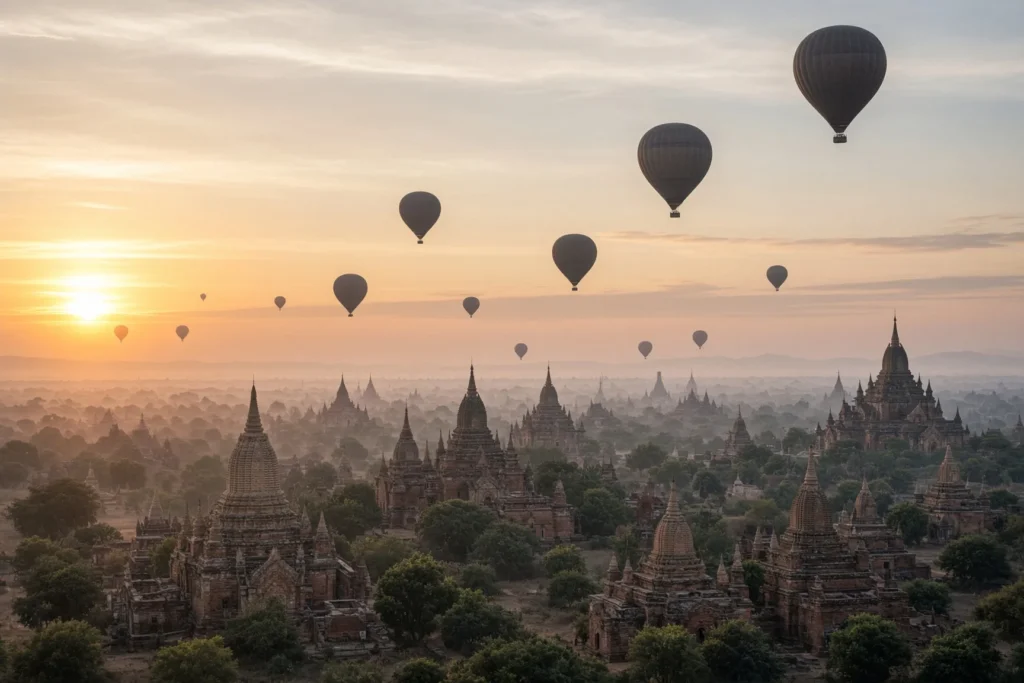
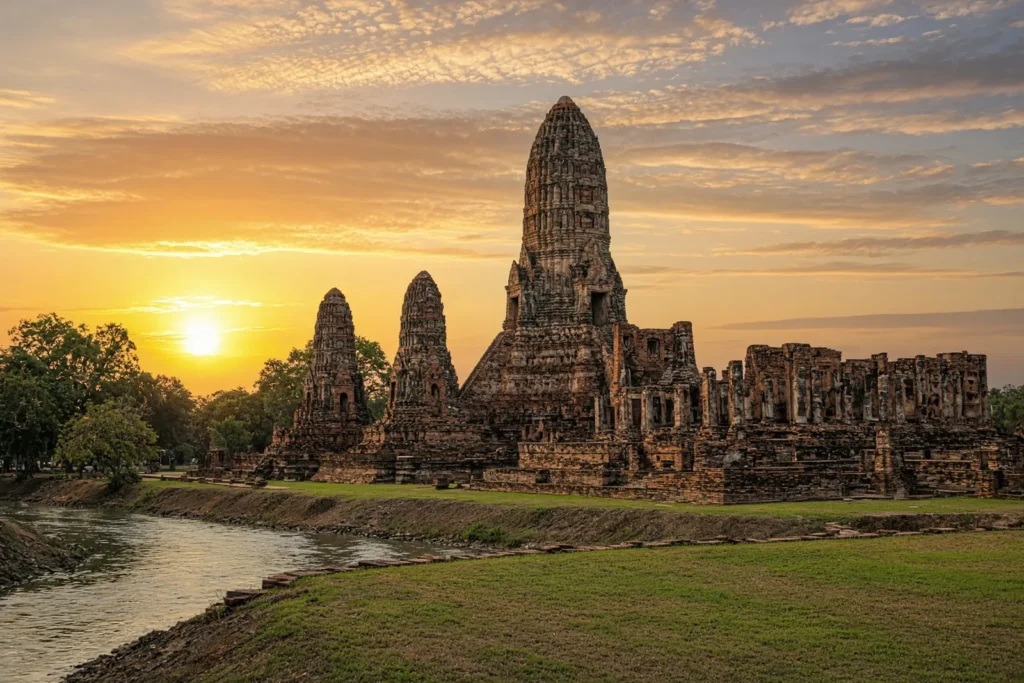
Between the 9th and 15th centuries, the Khmer Empire ruled much of mainland Southeast Asia from a capital just north of today's Siem Reap. Its kings built hundreds of temples in stone, from the vast moat-ringed Angkor Wat to the smiling towers of the Bayon and the forest-swallowed corridors of Ta Prohm. In 1992 the whole Angkor area was listed as a UNESCO World Heritage site, and it remains the reason almost every traveller comes to Cambodia.
Siem Reap itself is a small, easy-going town on a slow river. It has grown fast around tourism, so the centre is full of guesthouses, cafés and massage parlours, especially around the lively Pub Street area. Step a few streets away, though, and you find pagodas, morning markets, quiet lanes along the river and rice fields only minutes out of town. It is a comfortable base, and the temples start about 15 minutes from the centre.
Most travellers spend three or four nights here: two or three days for the temples at a sensible pace, plus time for Tonle Sap lake, the countryside and Khmer food. This guide covers how to plan your Angkor visit, which temples to prioritise, what to eat, where to stay and when to come.
Every journey below is private and tailor-made, so we can pace your temple days around the heat, the crowds and your own interests.
We tailor every trip. Want more time in Siem Reap, a different pace or a mix of places? Design my trip →
How our local guides would spend a full first day at Angkor and in town, timed to beat the heat and the crowds.
Watch the towers appear against the sky, then head inside while most people go back for breakfast.
A simple bowl of num banh chok or rice soup from a stall near the park.
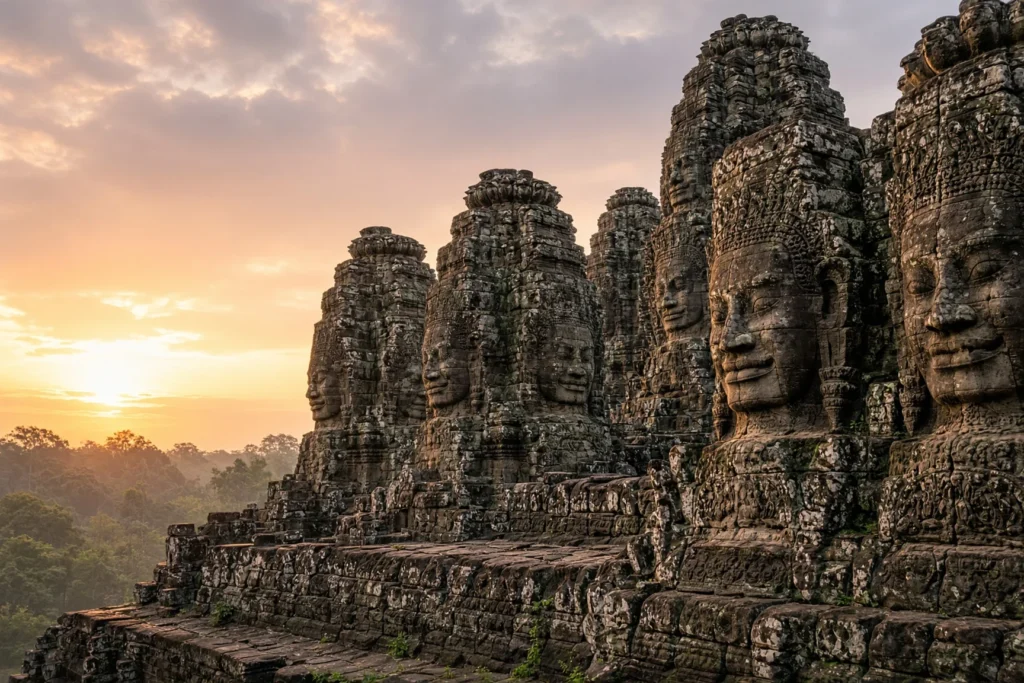
Enter through the South Gate to the Bayon's stone faces, then the Terrace of the Elephants.
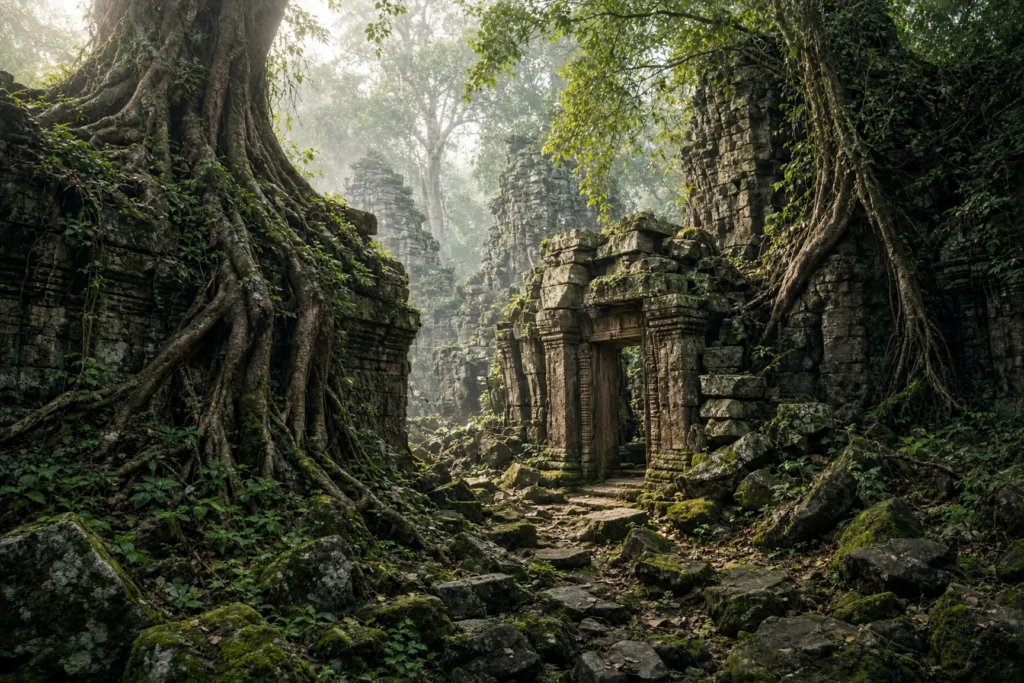
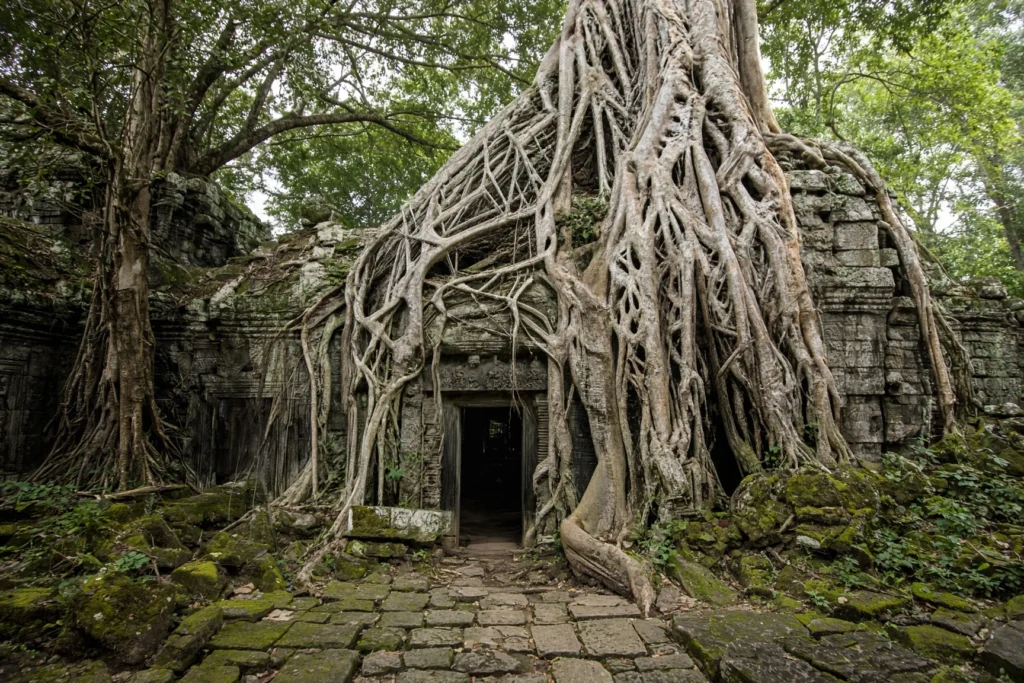
Silk-cotton and fig roots grip the walls of this half-ruined monastery. Go before the midday groups.
Fish amok or lok lak back in town, then a long break out of the heat.
Village lanes, rice fields and a local pagoda just outside town.
A pyramid temple with wide views across the forest, calmer than the busier sunset spots.
A Khmer dinner, a stroll along the river and a look at the night markets.
Angkor is spread over a huge area, so the way you plan your days matters more than at almost any other site in Asia. Passes are sold for one, three or seven days, each valid over a longer window, and every visitor needs one. Here is how we would choose.
Enough for Angkor Wat, the Bayon in Angkor Thom and Ta Prohm, the three temples most people come to see. It is a long, hot day and you will feel rushed.
Spend one day on the small circuit, one on the grand circuit with Preah Khan, Neak Pean and Pre Rup, and one further out at Banteay Srei or Beng Mealea. This is the pace we recommend for most first visits.
For history lovers and photographers who want quiet temples, repeat visits in different light and longer trips out to Phnom Kulen or further.
Banteay Srei has the finest carving at Angkor in pink sandstone. Beng Mealea is a jungle ruin you clamber through, and Phnom Kulen is the sacred mountain with a waterfall and riverbed carvings. Each needs half a day or more.
The experiences our travellers enjoy most, in order of what we would not miss.
The largest religious monument in the world, built in the 12th century. Walk the long causeway, study the bas-reliefs in the galleries and climb to the upper level if it is open.
The last great Khmer capital, entered through gates topped with giant faces. At its centre the Bayon has dozens of towers carved with serene smiling faces.
A monastery temple left partly to the jungle, with huge tree roots spilling over its walls. Beautiful, but go early or late to avoid the busiest hours.
A small 10th-century temple in rose-pink sandstone with the most delicate carving at Angkor. About 45 minutes north of town and easily combined with the countryside.
Preah Khan's long corridors, the island temple of Neak Pean and the pyramid of Pre Rup. Quieter than the small circuit and a perfect second day.
A huge, collapsed temple deep in the forest, where you scramble over fallen blocks on wooden walkways. Around 1.5 hours from town and well worth the drive.
The sacred mountain where the Khmer Empire is said to have been founded, with a waterfall, a reclining Buddha and carvings in the riverbed. Best as a full morning trip.
Southeast Asia's largest freshwater lake, with stilt and floating villages. Choose the village carefully: some are very commercial, and water levels change the experience a lot.
Rice fields, palm trees, village pagodas and children waving from wooden houses, all within a short ride of town.
A clear introduction to Khmer history and art before your temple days, with fine statues from the region.
Browse the Old Market for crafts and spices, then dip into Pub Street's noise or escape to the calmer riverside.
Siem Reap's evening circus shows, performed by young Cambodian artists, are a lively and genuinely uplifting night out.
Plan your private, tailor-made Cambodia trip for 2027 now and get $100 off. Tell us your travel dream and we will design it with you.
Customise My TripLocal specialities worth seeking out, and when the locals eat them. Your guide will know the best places to try each one.
Add a food experience →Each neighbourhood has its own rhythm. Pick the one that sounds like you, or let us surprise you.
Walking distance to restaurants, the Old Market and nightlife. Convenient for a first visit, but busy and noisy late into the evening.
Leafy streets along the Siem Reap River, a short walk or tuk tuk from the centre, with quieter evenings.
Resorts and villas among rice fields and villages, 10 to 20 minutes from town. Ideal if you want to rest between temple sessions.
Tell us your style and our consultants will hand-pick a stay you would never find on your own.
A restored heritage house, a quiet lakeside villa or a family-run boutique: we match the hidden gem to you, and reveal it with your itinerary.
Ask for a surprise staySiem Reap's international airport opened in 2023 and sits well outside town, so allow about an hour for the transfer. Flights connect with Phnom Penh, Bangkok, Ho Chi Minh City and other Asian hubs. By road it is about 5 to 6 hours from Phnom Penh and around 3 hours from Battambang.
Included on our journeys, air-conditioned and ideal for the temples and trips further out.
Best for: Temples and day tripsThe classic open-air way to get around town and the nearer temples.
Best for: Short hopsFlat roads make cycling easy around town and the countryside, and even between some temples.
Best for: CountrysideApps such as Grab work in town for quick tuk tuk and car rides.
Best for: Town tripsPlaces that pair well with Siem Reap, with approximate travel times.
November to March is the best time, with dry, sunny days and cooler mornings, though it is also the busiest. March to May is very hot. The rainy season from June to October brings green landscapes, fewer visitors and afternoon downpours, and is a good time to see the moats and Tonle Sap full of water.
A general guide. Weather varies from year to year, and we plan each route around the season.
Quick answers from our local team. Anything else, just ask your travel specialist.
Ask us on WhatsAppThree full days is ideal for most travellers: one for the small circuit, one for the grand circuit and one further out at Banteay Srei, Beng Mealea or Phnom Kulen. Add a day for Tonle Sap or the countryside. One day is possible, but it is rushed.
Passes come in one, three and seven day versions, and each is valid over a longer period, so you do not have to use the days back to back. The three day pass suits most first visits. Your guide will plan your days around it.
Yes, once, but be ready for crowds: hundreds of people gather at the reflecting ponds. Stay on after sunrise, when most people leave for breakfast, and you get the temple at its quietest. On other mornings we often suggest a less famous temple for dawn.
November to March has the most comfortable weather, but it is also the busiest season. April and May are extremely hot. The rainy season, June to October, is greener and quieter, with heavy showers usually in the afternoon.
Shoulders and knees must be covered, especially at Angkor Wat's upper level, where you can be refused entry. Wear light, loose clothes, good walking shoes and a hat, and bring plenty of water and sun cream.
They can be, if you choose well. The village closest to town is very commercial and known for pushy donation requests. Kampong Phluk and Kampong Khleang are further but more genuine. In the dry season water levels drop and boats may not reach some villages.
Stay near the Old Market and Pub Street for convenience and nightlife, by the river for calmer evenings within walking distance, or out among the rice fields for peace and space. Your travel consultant will help you choose.
Siem Reap is generally safe and relaxed. Keep valuables close at night, use registered tuk tuks or an app, and be wary of children selling souvenirs at temples, which local organisations advise against supporting.
Tell us what you have in mind and a local travel specialist will design a private itinerary around you. Free, with no obligation.
Three quick questions and we will match you with the right journeys.