When Traveling Is Caring ❤️

Pulau BaliBali And Nusa Tenggara8.34° S · 115.09° E
Temples, rice terraces, volcanoes and surf on one small, very different island. Here is how to choose where to stay, what is worth your time, what to eat and when to come.
Bali is a small island with a big reputation, and it is easy to arrive with the wrong picture. It is not one beach resort. It is a mostly Hindu island in the world's largest Muslim-majority country, where families still lay out small palm-leaf offerings every morning, temple ceremonies close roads, and village life follows a calendar of its own. Around that daily rhythm sit volcanoes, rice terraces, surf beaches and some of the best-run hospitality in Asia.
The island changes a lot over short distances. The south, from Canggu and Seminyak down to Uluwatu and Nusa Dua, is busy, built up and full of beach clubs and resorts. The centre around Ubud is greener and more cultural. Go further east to Sidemen or north to Munduk and the pace drops sharply, with cooler air, quieter roads and views of Mount Agung or the highland lakes. The west, around West Bali National Park, is the least visited of all.
Most travellers land at Ngurah Rai International Airport, just south of Denpasar, the provincial capital. Denpasar itself is a working city that few people stay in, so this guide treats it as your gateway rather than your base. Use it to decide which parts of Bali suit you, what is genuinely worth the drive, and how to fit in Nusa Penida, Java or the Gili Islands.
Bali tours below are private and tailor-made, so we can split your nights between Ubud and the coast, add the quiet east or north, or pair Bali with Java and the islands.
We tailor every trip. Want more time in Bali, a different pace or a mix of places? Design my trip →
Where you sleep shapes your Bali trip more than anything else, because driving between areas takes time. Most first visits work best with two bases: one inland and one by the sea.
Rice terraces, dance performances, temples, yoga and good food, with day trips in every direction. Central Ubud is busy; the rice-field edges and river valleys are calmer.
Dramatic cliffs, surf breaks and small beaches reached by steps, plus the clifftop temple and Kecak dance. Spread out, so you need a car or scooter for everything.
Cafés, beach clubs, shops and surf, with a young, international crowd. Fun, but busy, noisy and under constant construction, and the sea is often rough for swimming.
Quiet valleys, mountain views, waterfalls and cooler air, far from the crowds. Two or three nights here is often the highlight of a Bali trip. For calm family beaches, add Nusa Dua or Sanur in the south.
The experiences our travellers enjoy most, in order of what we would not miss.
Watch, or join with respect, the purification ritual in spring-fed pools near Tampaksiring. Arrive early, bring a sarong, and ask your guide to explain each spout.
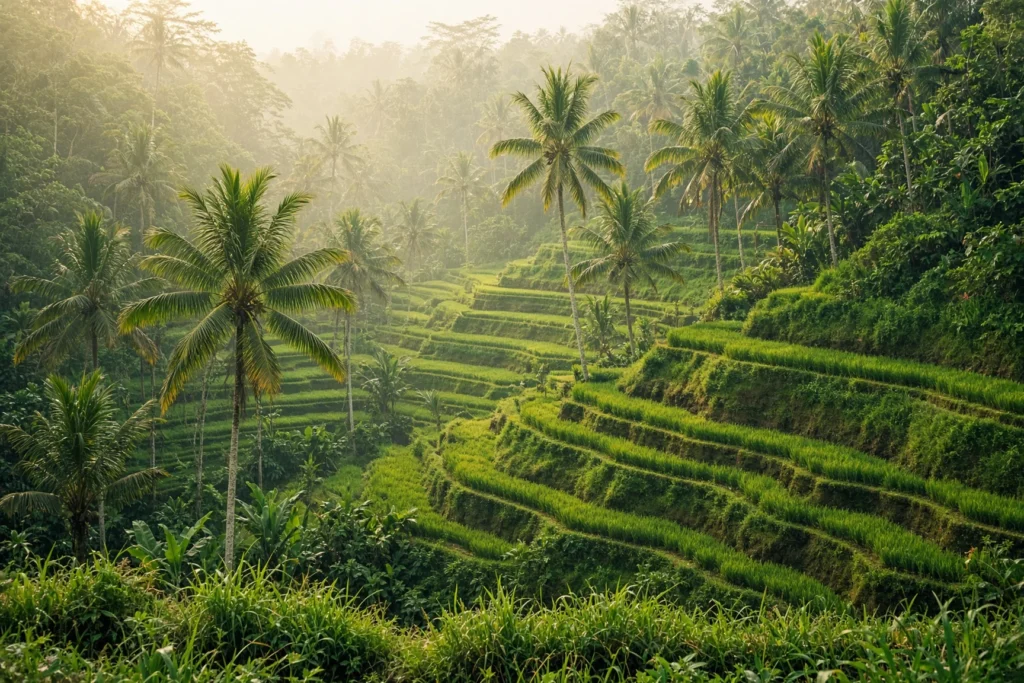
Part of Bali's UNESCO-listed subak landscape, these wide terraces under Mount Batukaru are larger and quieter than Tegallalang. Walk the marked trails for an hour or two.
A sea temple on a cliff at the southern tip of the island, with a fire-lit Kecak dance as the sun sets. Busy, but worth it. Hold on to your sunglasses.
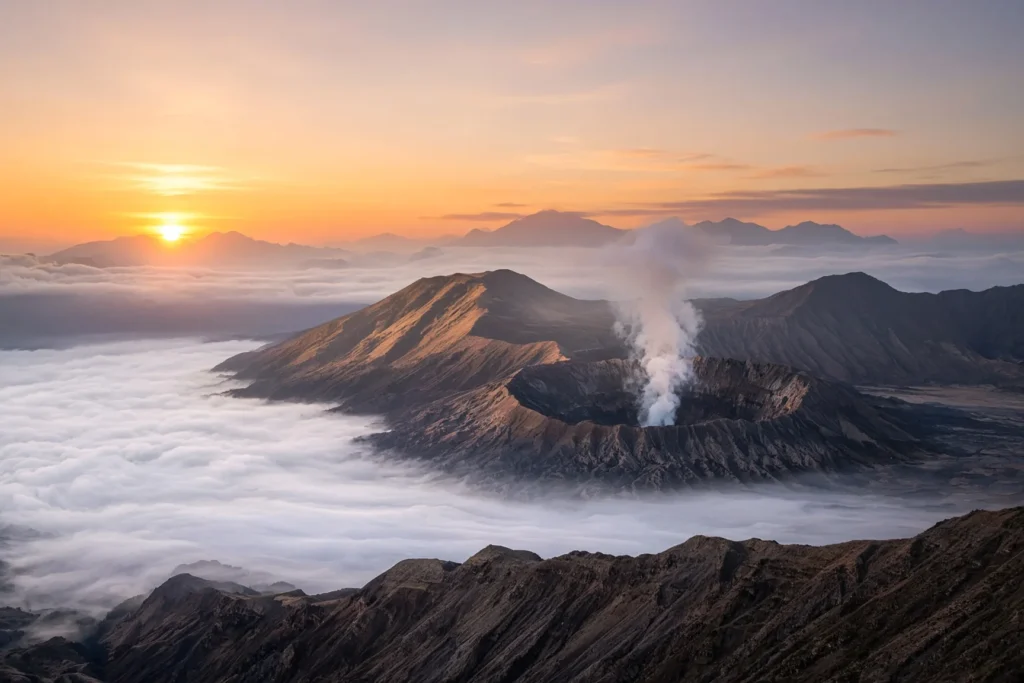
A pre-dawn climb of about two hours up an active volcano for sunrise over Lake Batur and Mount Agung. Steep and gravelly near the top, but fine for most reasonably fit walkers.
A temple on a rock in the sea, reachable on foot only at low tide. The sunset crowds are huge, so we often suggest a quieter morning visit instead.
Bali's largest and most important temple complex, climbing the slopes of Mount Agung. It can feel commercial at the entrance, so go with a guide and on a clear morning.
The classic terraced valley north of Ubud. Beautiful early in the morning, but crowded and full of swings and photo spots by mid-morning.
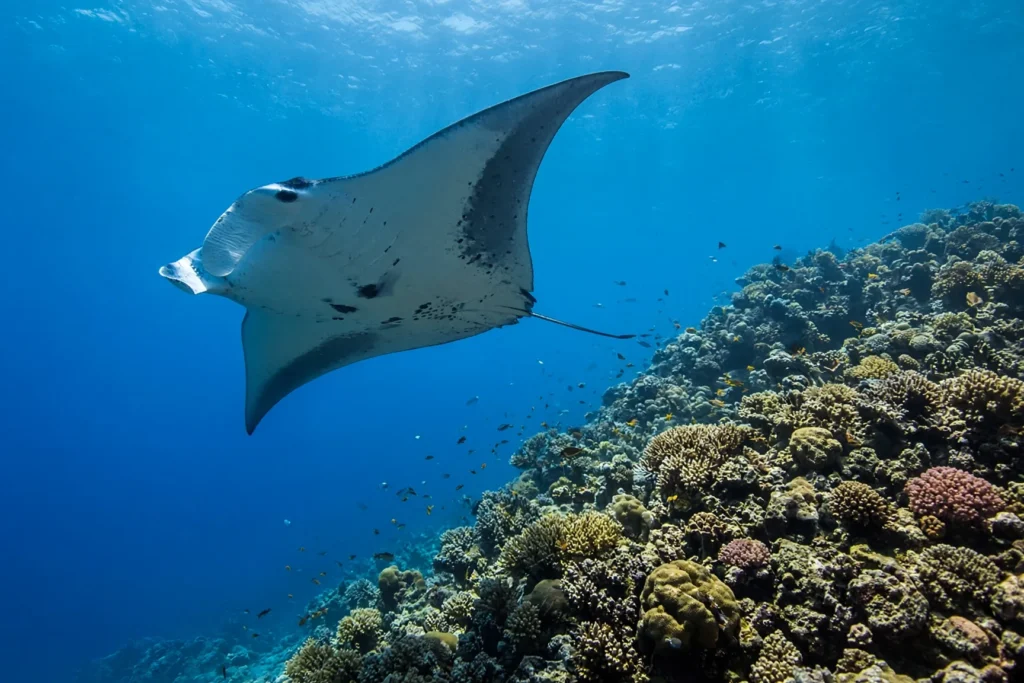
Sheer cliffs, Kelingking Beach and manta rays, a short fast boat ride from Sanur. Roads are rough and slow, so an overnight stay is far more relaxed than a rushed day trip.
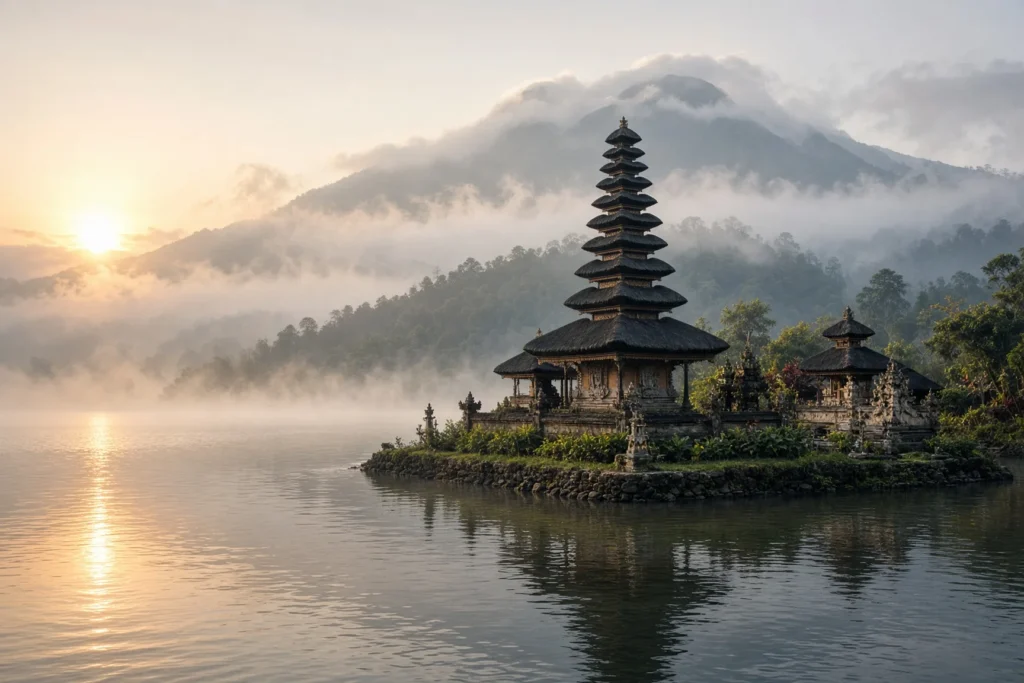
Two of Bali's most graceful temples: a moated royal temple near Mengwi and a lakeside shrine in the cool highlands. Easy to combine on the way north.
Menjangan Island in the far west, the Tulamben wreck in the east and manta rays off Nusa Penida give Bali some excellent underwater days.
Usually with a morning market visit, learning to grind base genep spice paste and make sate lilit, lawar and sambal matah. A good rainy-day choice.
Easy walks through terraces with Mount Agung behind, past weaving workshops and village temples, in one of the calmest corners of the island.
Plan your private, tailor-made Indonesia trip for 2027 now and get $100 off. Tell us your travel dream and we will design it with you.
Customise My TripLocal specialities worth seeking out, and when the locals eat them. Your guide will know the best places to try each one.
Add a food experience →Ngurah Rai International Airport, in the Denpasar area of south Bali, has direct flights from across Asia and Australia and connections from Europe. Within Indonesia there are frequent flights from Jakarta, Yogyakarta and Labuan Bajo, and ferries link Bali with Java to the west and Lombok to the east.
The easiest way to cover Bali's distances and the way most travellers get around; included on our journeys.
Best for: Day tripsApps such as Grab work in much of the south and Ubud, though some areas restrict pick-ups.
Best for: Short hopsPopular, but traffic is chaotic and accidents are common. Only ride if you are experienced and properly licensed and insured.
Best for: Experienced ridersRegular boats run from Sanur to Nusa Penida and Lembongan, and from the east coast to the Gili Islands and Lombok.
Best for: IslandsBali pairs easily with nearby islands and with Java's temples, by fast boat or a short flight.
The dry season, roughly April to October, brings sunny days and lower humidity, and is the best time for volcano climbs and diving. July, August and the Christmas holidays are the busiest. The wet season, from about November to March, brings heavy afternoon showers, but mornings are often fine and the rice fields are at their greenest.
A general guide. Weather varies from year to year, and we plan each route around the season.
Quick answers from our local team. Anything else, just ask your travel specialist.
Ask us on WhatsAppSeven to ten nights is a good first visit: three or four in Ubud, two or three somewhere quiet such as Sidemen or Munduk, and the rest by the sea in Uluwatu, Nusa Dua or Sanur. With less than a week, choose two bases rather than trying to see the whole island.
Most first-timers enjoy Ubud for culture and rice terraces, combined with a beach base. Uluwatu suits couples and surfers, Nusa Dua and Sanur suit families who want calm water, and Canggu suits those who want cafés and nightlife. Your travel consultant will match the areas to your style.
April to October is the dry season and generally the best time, with May, June and September a little quieter than the summer peak. November to March is wetter and more humid, but showers are often short and prices for rooms can be more flexible.
Yes, if you like dramatic coastal scenery and do not mind rough roads. The famous viewpoints are spread out and connected by slow, bumpy tracks, and the climb down to Kelingking Beach is steep. We recommend at least one night on the island rather than a long day trip.
Cover your legs with a sarong and wear a sash around your waist; most temples lend or rent them at the entrance. Cover your shoulders, speak quietly and never step over or on offerings. Some areas of a temple are for worshippers only.
Bali is generally safe and welcoming. The most common problems are scooter accidents, upset stomachs and petty theft. Ride only if experienced and insured, drink bottled or filtered water, and keep bags close in busy areas. Check sea conditions and swim between the flags on surf beaches.
Try babi guling, bebek betutu, sate lilit, lawar and a nasi campur plate from a busy warung, with sambal matah on the side. For something sweet, order bubur injin, the black rice pudding.
Ngurah Rai International Airport is about one to one and a half hours from Ubud by road, longer in heavy traffic. Your travel consultant will arrange a private transfer with a name-sign welcome as part of your journey.
Tell us what you have in mind and a local travel specialist will design a private itinerary around you. Free, with no obligation.
Three quick questions and we will match you with the right journeys.