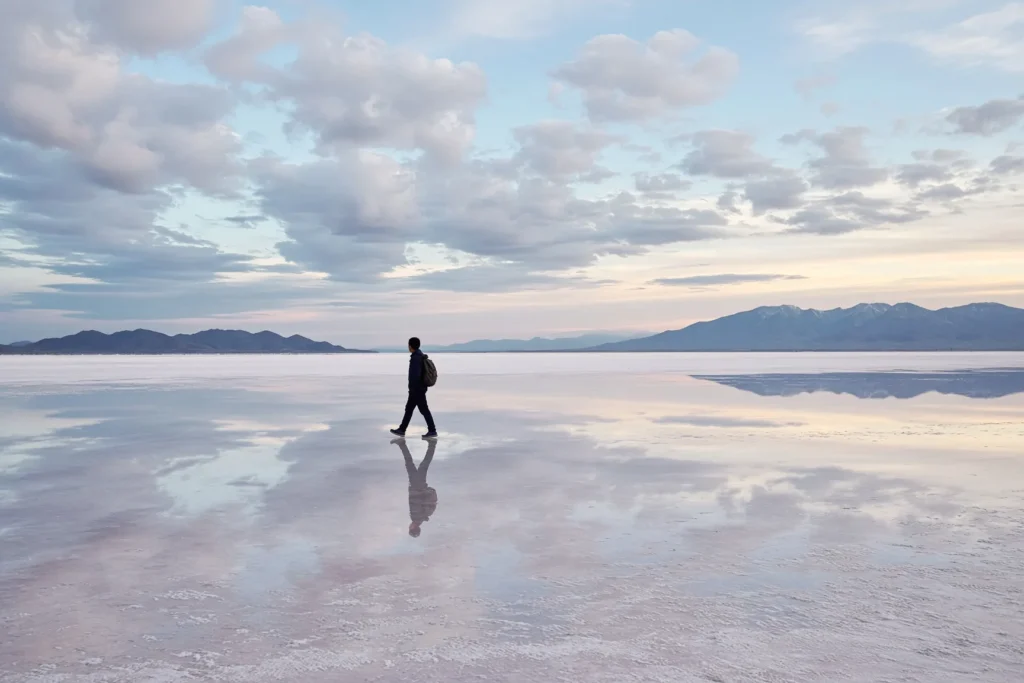
Qinghai Plateau: Salt Lakes, Red Canyons And Monasteries
- Hotels
- Local guide
- Transfers
- Meals

西宁North-West China36.62° N · 101.78° E
The capital of Qinghai, where Tibetan, Hui and Han cultures meet on the edge of the plateau. Here is how to visit Ta'er Monastery and Qinghai Lake, and what to know about altitude.
Xining lies in a river valley at around 2,275 metres, on the north-eastern edge of the Tibetan Plateau. It is a modern provincial capital, but its markets and streets reflect a long mix of cultures: Tibetan pilgrims, Hui Muslim families around the Dongguan Mosque and Han Chinese communities all call it home. It is also the starting point of the railway to Lhasa.
Most visitors come for two sights outside the city. Ta'er Monastery, known in Tibetan as Kumbum, is a major Gelug monastery about 45 minutes away, famous for its yak-butter sculptures. Qinghai Lake, China's largest lake, lies a little over two hours west at about 3,200 metres. Spending a night or two in Xining first is a gentle way to adjust to the altitude.
Our Xining journeys are private and tailor-made, often combining Ta'er Monastery and Qinghai Lake before the train to Lhasa or a road trip to Xiahe.
We tailor every trip. Want more time in Xining, a different pace or a mix of places? Design my trip →
The experiences our travellers enjoy most, in order of what we would not miss.
A large Gelug monastery founded in the 16th century at the birthplace of Tsongkhapa. Look for the yak-butter sculptures, painted halls and the row of white stupas at the entrance.
A vast, high-altitude lake ringed by grassland and mountains. Visit the southern shore for open views, nomad tents and, in early summer, migrating birds on the western side.
One of the largest mosques in north-west China, blending Chinese and Islamic architecture. Visitors are welcome outside prayer times when dressed modestly.
A good overview of the region's history and cultures, including Tibetan thangka paintings, before heading out to the monasteries and plateau.
A pass at around 3,500 metres on the road to Qinghai Lake, marking a traditional boundary between farmland and grassland, with prayer flags and two small pavilions.
Plan your private, tailor-made China trip for 2027 now and get $100 off. Tell us your travel dream and we will design it with you.
Customise My TripXining is also reached by high-speed train from Lanzhou in about 1 to 1.5 hours. The train to Lhasa departs from Xining and takes around a day.
Places that pair well with Xining, with approximate travel times.
June to September is the best time, with mild days in Xining and green grassland around Qinghai Lake. July is peak season for rapeseed flowers and also for crowds. From November to March it is very cold at the lake, though skies are often clear.
A general guide. Weather varies from year to year, and we plan each route around the season.
Quick answers from our local team. Anything else, just ask your travel specialist.
Ask us on WhatsAppThe nearest viewpoints on the southern shore are about 150 km west of Xining, a drive of a little over two hours via Riyue Shan. A day trip is possible, but staying overnight near the lake gives you sunrise and quieter views away from the busiest stops.
Xining itself sits at about 2,275 metres, where most people feel only mild effects. Qinghai Lake is higher, at around 3,200 metres. Rest on arrival, avoid heavy exertion and alcohol on the first day, and speak to your doctor before travel if you have heart or breathing conditions.
Yes. It is one of the most important Tibetan Buddhist monasteries outside Tibet, and the yak-butter sculptures are remarkable. It is busy with tour groups at midday, so arrive early in the morning. Dress modestly, walk clockwise around shrines and ask before photographing monks or the interiors of halls.
Tell us what you have in mind and a local travel specialist will design a private itinerary around you. Free, with no obligation.
Three quick questions and we will match you with the right journeys.